Professor Christian Grimm
University of Oxford
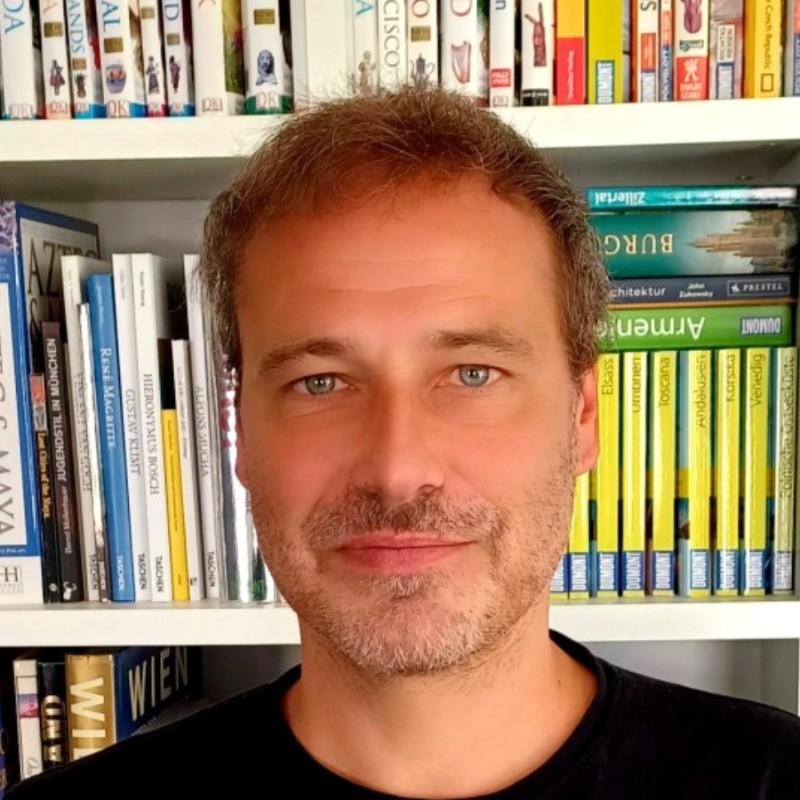
Talk title: Endolysosomal cation channels as drug targets
Biography: Christian Grimm is Professor of Organelle Biology and Pharmacology at the Department of Pharmacology, University of Oxford, UK (50%) and -Professor of Molecular Pharmacology at the Walther-Straub-Institute
(WSI) of Pharmacology and Toxicology, Medical Faculty, Ludwig-Maximilians-University (LMU) Munich, Germany (50%)
In addition, since 2022 Christian is Head of the Department of Pharmacology at the Fraunhofer Institute for Translational Medicine and Pharmacology (ITMP) and Immunology, Infection and Pandemic Research (IIP) in Munich/Penzberg.
Christian has been working in the field of ion channels, in particular TRP channels for more than 20 years, starting as a PhD Student (Dr. rer. nat.) at the Free University (FU) of Berlin, Germany, followed by Postdoctoral Research Fellowships at Harvard University and Stanford University, USA (2004-2009). In 2009 Christian joined pharmaceutical industry (Pfizer Ltd., UK) as a Principal Scientist working on TRP channels as targets to treat neuropathic pain. In 2011, Christian returned to Germany and to academia as a group leader in pharmacology at the Department of Chemistry and Pharmacy of the LMU Munich. Since then he has focused his research on endo-lysosomal ion channels, in particular TRPML channels and two-pore channels (TPCs), resulting in several high-profile publications in PNAS, EMBO J., Nature Commun., Nature Protoc., and Science. For his work he received several awards, the Ernst-Reuter Award of the Free University Berlin (2005), the NCL Foundation Award Hamburg (2016), and the Care for Rare Award of the LMU Munich Childrens' Hospital (2017).
Christian also holds a PhD (Dr. phil.) in Philosophy in addition to his PhD (Dr. rer. nat.) in Pharmacology.
Abstract: Research on endolysosomal ion channels and transporters has gained considerable momentum in recent years, as new technologies are now available to investigate the function and physiology of these important intracellular membrane proteins in more detail. For example, endolysosomal patch-clamp electrophysiological techniques, intracellular sensors for endolysosomal Ca2+ and pH measurements or new animal models have been developed. Using these techniques, it has been discovered that endolysosomal cation channels such as TRPML channels or two-pore channels (TPCs) play important physiological and pathophysiological roles in a variety of organs and that defects or alterations in their function are associated with lysosomal storage diseases and neurodegenerative diseases, infectious diseases, immune cell dysfunction, lung, liver and heart diseases as well as cancer (e.g. melanoma). Thanks to significant advances also in the availability of pharmacological tools for these endolysosomal membrane proteins, accompanied by numerous cryo-EM structures research in this area is progressing rapidly. We aim to present recent and current findings on the physiological and pathophysiological role of TRPML channels and TPCs with a particular focus on lung disease and iron metabolism disorders.
Professor Andrea Ballabio
Emeritus Director, TIGEM
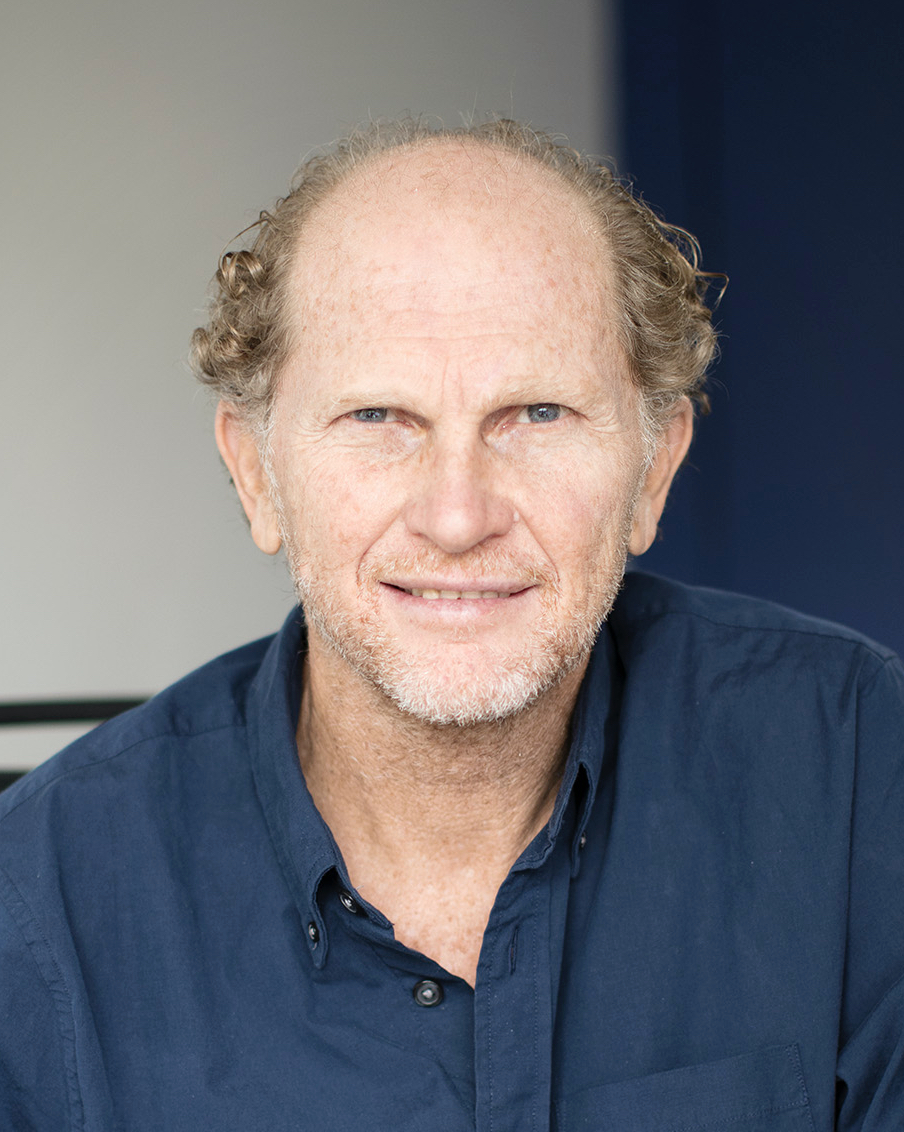
Talk title: Lysosomal signalling in metabolic adaptation and tumorigenesis
Biography: Dr. Ballabio obtained his M.D. degree at the University of Naples, Italy, where he completed his residency in Pediatrics. He was then post-doctoral fellow at the Institute of Genetics and Biophysics in Naples and at Guy’s hospital in London UK. He then moved to the USA where he was Associate Professor and Co-director of the Human Genome Center at the Department of Molecular and Human Genetics of Baylor College of Medicine in Houston, Texas. In 1994 he became the founding director of the Telethon Institute of Genetics and Medicine (TIGEM) in Italy and served as TIGEM director for 30 years. In 1998 he became President of the European Society of Human Genetics. He is currently Professor of Medical Genetics at the University of Naples “Federico II”, Group Leader at TIGEM, and Visiting Professor at Baylor College of Medicine in Houston, Texas USA, and at the University of Oxford, UK. He was the recipient of three 5 year-Advanced Grants of the European Research Council (ERC), in 2009, 2015, and 2022. In 2016 he won the Louis-Jeantet prize for Medicine in Geneva, Switzerland. He is Co-Founder of CASMA Therapeutics. He is an EMBO member and former member of the EMBO council. He has authored over 400 publications in international peer-reviewed journals. He was awarded by the President of Italy the Honorary Titles of "Commendatore" in 2007 and "Grande Ufficiale" of the Italian Republic in 2021. He was the 2025 winner of the Beth Levine, M.D. prize in Autophagy Research.
Abstract: The activity of TFEB, a master regulator of lysosomal biogenesis and autophagy, is regulated by mTORC1 through a lysosomal signaling pathway that enables lysosomal function to adapt to environmental cues. Recent studies in our lab showed that mTORC1-mediated phosphorylation of TFEB, unlike the phosphorylation of other mTORC1 substrates such as S6K and 4E-BP1, is dependent on the GAP activity of folliculin (FLCN) but is insensitive to growth factor-induced Rheb activity. This “non-canonical”, substrate-specific, mTORC1 signaling pathway plays a crucial role in Birt-Hogg-Dubé (BHD) syndrome, an inherited cancer syndrome caused by mutations of FLCN and characterized by benign skin tumors, lung and renal cysts and cancer. We found that constitutive activation of TFEB, due FLCN loss of function, is the main driver of kidney cystogenesis and tumorigenesis observed in BHD syndrome. Remarkably, depletion of TFEB in a kidney-specific mouse model of BHD syndrome fully rescued the disease phenotype and associated lethality. A collaborative study between the group of Lisa Henske at Harvard and ours showed that TFEB also drives the kidney cystic and tumorigenic phenotype of Tuberous Sclerosis. More recently, in collaboration with James Hurley’s and Lukas Huber’s groups, we obtained structural evidence, using Cryo-EM, that the canonical and non-canonical branches of the mTORC1 pathway coexist in a 36 polypeptide mTORC1-TFEB-Rags-Ragulator megacomplex. Such regulatory machinery is located at the lysosomal surface and selectively controls cell metabolism in response to different stimuli. Dysregulation of this pathway leads to tumorigenesis. Furthermore, our findings identified new drug targets, thus offering the opportunity to pharmacologically modulate this pathway. Together, these data have changed the view of the lysosome from a static station devoted to degradation and recycling processes to a dynamic and adaptive signaling hub that controls cell metabolism.
Dr Markus Rapedius
Senior Scientist, Nanion Technologies
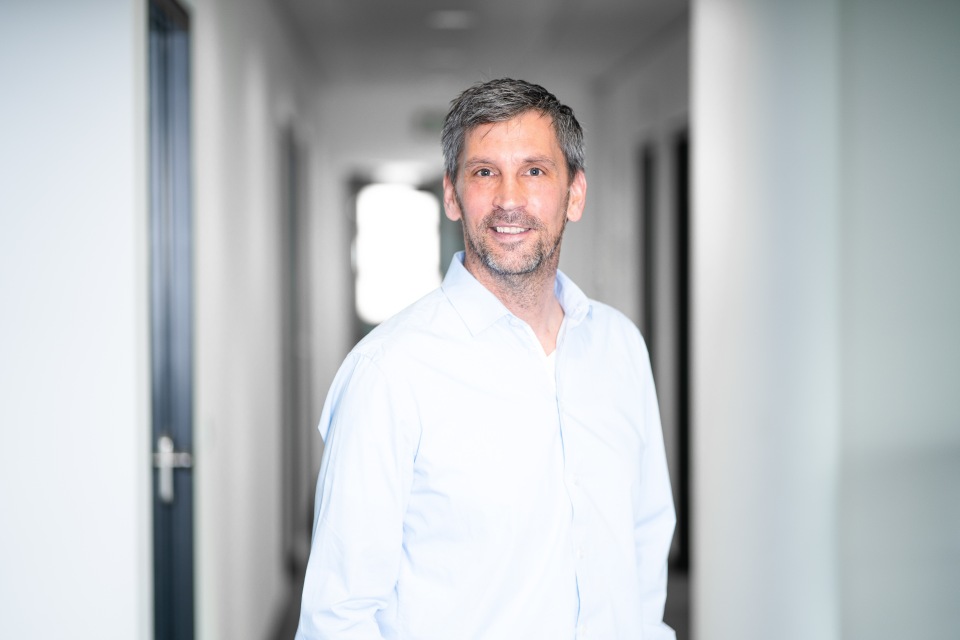
Talk title: Approaching organelles with high-throughput electrophysiology Methods to allow early Drug Discovery from native Lysosomes
Biography: Dr. Rapedius has been working in the field of ion channels for more than 20 years and has obtained his PhD/Post-Doc training in biophysics and ion channel research at the University of Jena, Germany. He then started his own group on “Structure, Gating and Regulation of K+ channels” at the University of Kiel, Germany. Since over 10 years he moved to industry with Nanion Technologies where he is a Principal Investigator leading internal research programs focused on advancing applications of their high-throughput automated patch-clamp equipment for industrial drug discovery and academic research.
Dr Cristina Mammucari
Associate Professor of Pathology at the University of Padua
Talk title: Pharmacological targeting of the Mitochondrial Calcium Uniporter
Biography: Dr Mammucari is an Associate Professor of Pathology at the University of Padua, Italy.
As a graduate student at Harvard Medical School, USA, and the University of Lausanne, Switzerland (1999-2005), she focused on dissecting cellular signalling pathways involved in keratinocyte growth and differentiation.
During her postdoctoral training at the Venetian Institute of Molecular Medicine in Padua (2005-2008), she demonstrated that autophagy is essential for muscle homeostasis and requires active transcription. Since joining the University of Padua in 2008, she has focused on the pathophysiological role of mitochondrial calcium uptake in skeletal muscle and cancer. She showed that the mitochondrial calcium uniporter (MCU) controls skeletal muscle size and function, protects against atrophy, and regulates muscle metabolism through mitochondria-to-nucleus signalling, both in adulthood and during ageing. She also elucidated the role of mitochondrial calcium uptake in triple-negative breast cancer, showing that MCU expression supports cancer progression. Finally, she identified small molecules that target the MCU complex.
Dr Teresa Alonso
Professor of Biochemistry and Molecular Biology at the School of Medicine of the University of Valladolid
Talk title: Novel tools to monitor luminal calcium across major organelles
Biography: Teresa Alonso is Professor of Biochemistry and Molecular Biology at the School of Medicine of the University of Valladolid, Spain. She is also a group leader at the Institute of Biomedicine and Molecular Genetics, jointly operated by the University of Valladolid and the Spanish National Research Council (CSIC). She obtained her PhD from the University of Valladolid and subsequently completed a postdoctoral research fellowship at the European Molecular Biology Laboratory (EMBL) in Heidelberg, Germany.
Professor Alonso’s research has focused on the role of intracellular calcium as a signaling molecule in various cellular paradigms and models, both in health and disease. Her group was among the pioneers in Spain in the use of micro-fluorescence measurements and live-cell image analysis at single-cell resolution. Over the past two decades, her laboratory has developed innovative tools based on the bioluminescent protein aequorin, leading to significant advances in the understanding of calcium signaling, particularly within intracellular organelles. More recently, her team has generated a new family of genetically encoded fluorescent calcium probes.
Her research spans multiple levels of biological organization, from molecular in vitro studies using purified proteins to investigate structure–function relationships, to whole-organism approaches involving the generation of transgenic animals for the study of physiological and pathological processes, including aging and neurodegeneration.
In recent years, she has focused on the endo-lysosomal system, demonstrating that these organelles can store large amounts of calcium and release it upon cell activation.
Abstract: Ca2+ handling is essential for life, directly involved in most physiological processes, including cell division, development or cell death. Cytoplasmic organelles shape cytosolic Ca2+ signals by acting as sinks or sources of Ca2+, while intraorganellar Ca2+ regulates resident enzymes, essential for proper functioning of each organelle. Therefore, direct monitoring of luminal Ca2+ dynamics within each organelle is essential for deciphering the physiological functions and spatiotemporal dynamics. We have previously developed a family of Ca2+ indicators dubbed GAP (GFP-Aequorin Protein), based on the fusion of two jellyfish proteins, GFP and aequorin. This makes GAPs a unique class of dual Ca2+ indicators, able to operate either as a fluorescent indicator or a bioluminescent one, when reconstituted with the cofactor coelenterazine. Fluorescent GAP is more suitable for imaging, as binding of Ca2+ renders GFP to be dependent on Ca2+. Hence, the low affinity version, GAP3, has been optimized to image Ca2+ dynamics within the lumen of the ER in various cell types and organisms, including transgenic contexts, both in mice and flies. On the other hand, luminescent GAP is advantageous for recording luminal Ca2+ dynamics in small acidic organelles such as the endo-lysosome. GAPs targeted to the endo-lysosome (dubbed ELGAs) reported Ca2+ dynamics in a mildly acidic compartment. We show that Ca2+ uptake is ATP-dependent and sensitive to blockers of ER Ca2+ pumps. Furthermore, we find that the Ca2+ mobilizing messenger IP3 evokes robust luminal responses in wild-type cells, but not in IP3R knockout cells. These responses were comparable to those evoked by activation of the endo-lysosomal ion channels TPCs and TRPMLs.
Dr Katharina Duerr
University of Oxford
Talk title: Organelle Ion Channels Through the Lens of Cryo-EM: Insights for Drug Discovery
Biography:
Katharina L. Dürr, PhD, is a structural biologist and biophysicist with over 20 years of experience in protein biochemistry, biophysics, and structural biology in academia and industry. She received her PhD in Biophysical Chemistry from the Technical University of Berlin and carried out postdoctoral research in the Gouaux Lab at the Vollum Institute, Oregon Health and Science University, USA.
Her research focuses on structure-function relationships of medically relevant membrane proteins such as transporters, ion channels, and GPCRs to understand disease mechanisms and support drug discovery. She applies cryo-EM, X-ray crystallography, and mass spectrometry alongside biochemical and biophysical assays to study membrane protein function and pharmacology.
Since becoming an independent researcher, she has operated at the interface of academia and industry, including in a leadership role at the Structural Genomics Consortium, a public-private partnership between academic groups and pharmaceutical companies. She currently serves as Director of Translational Research at the Kavli Institute of Nanoscience Discovery, University of Oxford, and previously held a senior scientific leadership position at OMass Therapeutics Ltd., a spin out company from Oxford University.
Abstract: Lysosomal ion channels are emerging therapeutic targets for neurodegenerative diseases, lysosomal storage disorders, and viral infections. Recent cryo-EM structures of TMEM175, TRPML1, and TPC2 in complex with small-molecule modulators have provided unprecedented insight into druggable binding pockets and mechanisms of action.
For TMEM175, structures of pore-blocking inhibitors and novel agonists including optimized DCPIB derivatives and repurposed drugs reveal distinct binding sites and a conserved pharmacophore shared across multiple patent series, with potencies reaching the sub-micromolar range. For TRPML1, a suite of high-resolution structures covering agonists and antagonists bound to the same pocket near the pre-helix domain illuminates the structural basis for stereoselectivity, the role of intramolecular hydrogen bonding in potency, and the conformational changes distinguishing channel activation from inhibition. For TPC2, the structure of the tetrandrine-derived antagonist SG-094 reveals an unexpected 1:1 stoichiometry per homodimer and an allosteric mechanism in which binding to the domain II voltage-sensing domain of a single subunit is sufficient to lock the channel in an inactive state.
The talk also surveys the broader chemical landscape for each target, including converging pharmacophores across recent patent filings and the rapidly evolving drug discovery efforts in biotech and pharma working to advance candidates toward the clinic.
Dr Emily Eden
University College London
Talk title: Applying findings from models of Niemann-Pick disease type C (NPC) to lysosomal storage disease hallmarks of Age-related Macular Degeneration (AMD)
Biography: Emily did her PhD at Imperial College, London. Following a first postdoc position at the MRC Clinical Sciences Centre, she moved to the UCL Institute Ophthalmology to join Professor Clare Futter’s lab studying membrane trafficking, before becoming a group leader at UCL in 2020. Her lab is studying the connections that lysosomes make with other organelles at membrane contact sites and their relationship with the intracellular lipid environment in cellular models of retinal and neurodegenerative lysosomal storage disease.
Abstract: Sight loss is recognised by the World Health Organization as having a severe impact on quality of life. With an estimated 700,000 cases in the UK, Age-related Macular Degeneration (AMD) is the leading cause of vision loss in people over 55 years of age. AMD is a complex disease with a variety of genetic and environmental risk factors, making it difficult to model.
Retinal pigment epithelium (RPE) cells lie at the blood:retina interface and are especially affected in AMD. RPE cells support photoreceptor function, including by engulfing damaged photoreceptor tips that are delivered to the lysosome for degradation. In AMD, dysfunctional lysosomes result in poorly digested lipid-rich deposits accumulating in RPE cells, similar to those seen in lysosomal storage disorders including Niemann-Pick disease type-C (NPC). NPC is caused by loss of function of lysosomal lipid transport proteins NPC1 or NPC2 and in addition to lysosomal lipid accumulation, is also associated with mitochondrial dysfunction. Similarly mitochondrial dysfunction has also been reported in the AMD patient-derived RPE cells.
Our data in NPC models suggest that direct inter-organelle interactions at expanded membrane contact sites between mitochondria and lysosomes contribute to their coupled dysfunction and could potentially be targeted for therapeutic benefit. Using NPC as a model of lysosomal storage phenotypes in AMD, we further explore the potential for repurposing NPC therapeutics to prevent deposit formation in the RPE.
Professor Jonathan Marchant
Medical College of Wiscoinsin
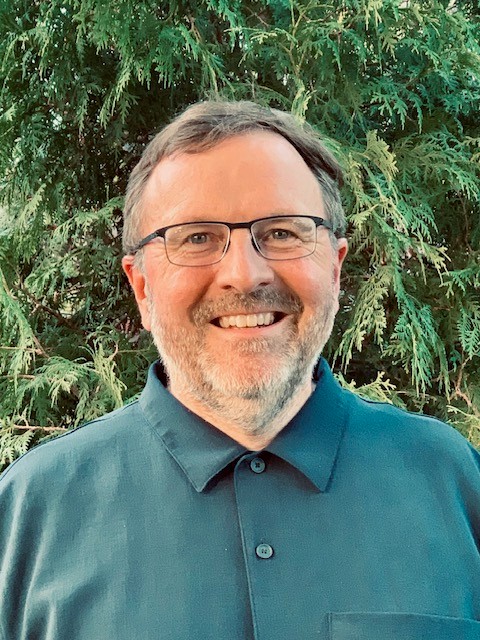
Talk title: Targeting NAADP binding proteins to modulate NAADP action
Biography: Jonathan is the Marcus Professor and Chair of the Department of Cell Biology, Neurobiology & Anatomy at the Medical College of Wisconsin. His laboratory is interested in target-based drug discovery. Most basically, our team strives to understand the molecular choreography of calcium signaling events in cells and how things go awry in various disease states. This talk will highlight our emerging understanding of NAADP binding proteins and what insights this class of proteins may provide for targeting NAADP action in various disease states.
Abstract: Calcium signalling between ion channels in different organelles coordinates diverse physiological functions and may be a focus of dysregulation in chronic disease states. Of interest to this audience is the regulation of calcium-permeable ion channels in the endoplasmic reticulum (e.g ryanodine receptors, RyRs) and the endolysosomal system (e.g. two-pore channels, TPCs) by nucleotide-based second messengers (cyclic ADP ribose, and nicotinic acid adenine dinucleotide phosphate (NAADP) respectively). These signaling pathways present opportunity for development of small molecules to regulate inter-organellar crosstalk.
In this talk, we will present (i) data on target-based screening that delivered agonist and antagonist chemotypes at RyRs, and (ii) ongoing work studying the regulation of TPCs by the NAADP-binding proteins (NAADP-BPs). These data reveal an unexpected capability of NAADP-BPs to undergo phase separation, opening opportunity to develop ligands targeting both membrane-bound and membraneless organelles in cells. These insights advance new opportunities to optimize small molecules that regulate intracellular nucleotide-based Ca2+ signaling pathways.
Professor Marc Freichel
University of Heidelberg
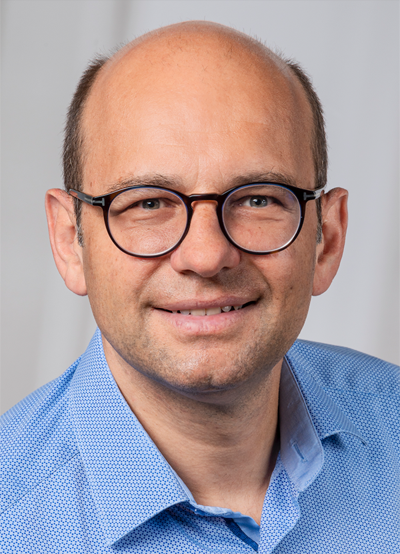
Talk title: Organellar Ca2+ regulators (OCaRs) encoded by TMEM63 proteins determining NAADP-mediated Ca2+ release from acidic intracellular stores
Biography: Director of General Pharmacology and Managing Director of the Institute of Pharmacology, University of Heidelberg.
After receiving my medical degree and doctorate in medical biochemistry, I obtained training in clinical cardiology and endocrinology, and then started my research on the (patho)physiological role of TRP channels, for which I established numerous transgenic animal models. After my habilitation, I was Professor of Experimental Pharmacology and head of the transgenic mouse facility at the University of Saarland (2004-2011), where I also chaired the animal protection committee from 2009 to 2011.
Since 2011, I have been head of the Department of General Pharmacology at the University of Heidelberg, where my research focuses on ion channels in the plasma membrane and in endo-lysosomes and their role in cardiac remodeling and arrhythmias, metabolism, neuroinflammation and in mast cells. I co-founded CalTIC (https://cal-tic.com), a spin-off company that explores therapeutic approaches of TRPC channel inhibitors. My lab also develops disease models in animal and iPS-derived models as well as therapeutic approaches using genome-editing technologies.
With my team, I am involved in several collaborative DFG research networks, including Transregio-SFB 152 ("TRiPs to homeostasis"), the German Center for Cardiovascular Research, and SFB 1550 ("Molecular Circuits of Heart Disease"), where I coordinate the CardioScience Integrated Research Training Group.
I teach pharmacology in several degree programs and mentor students and researchers in cardiovascular pharmacology, transgenic technologies, and Ca2+ signaling. As a specialist in pharmacology and toxicology, I am a member of the board and the training committee of the German Society of Pharmacology (DGP) and an advisor for drug therapy trials in the Heidelberg Ethics Committee.
Abstract: TMEM63 proteins (TMEM63A, TMEM63B, TMEM63C) are the closest homologues of OSCAs, a family of hyperosmolality-gated calcium-permeable channels [1]. TMEM63A is localized in the membrane of lysosomes and secretory granules in pancreatic acinar cells as revealed by microscopic analysis in cells of TMEM63A-YFP knock add-on mice and high-resolution organellar proteomics, indicating its dynamic subcellular (re-)distribution during endo-/exocytosis [2], [3]. Because of its subcellular localization and function, we dubbed TMEM63A Organellar Calcium Regulator protein 1 (OCaR1): Using GCamP6 targeted directly to TPC2-containing vesicles, we showed that TMEM63A/OCaR1 controls Ca2+ release from acidic Ca2+ stores, and in lysosomal patch-clamp recordings, it functionally antagonizes TPC1 and TPC2 channels. Accordingly, OCaR1 deletion results in extensive Ca2+ release from NAADP-responsive, acidic Ca2+ stores, thereby exacerbating the disease phenotype in murine models of severe and chronic pancreatitis [3].
In my ESC lecture, I will provide evidence that OCaR proteins also act as central orchestrators of Ca2+ release originating from NAADP-sensitive acidic organelles, mediated via TPC channels, in other cell types.
Professor Frances Platt
Department of Pharmacology, University of Oxford
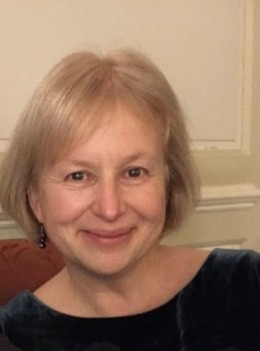
Talk title Lysosomal diseases: from molecular pathways to therapeutic impact
Biography: Prof. Frances Platt obtained her BSc from Imperial College London (Zoology) and her PhD from the University of Bath, UK. She was a post-doctoral fellow at Washington University Medical School in St. Louis, USA. She was a Lister Institute Senior Research Fellow and is currently Professor of Biochemistry and Pharmacology at the University of Oxford. Her main research interests include the biology and pathobiology of glycosphingolipids and lysosomal disorders. Her research led to the development of miglustat and Aqneursa for the treatment of glycosphingolipid lysosomal storage diseases. Prof. Platt was awarded the Alan Gordon Memorial Award and the Horst Bickel Award for advances in metabolic disease therapy. She was elected a fellow of the Academy of Medical Sciences in 2011 and appointed Head of the Department of Pharmacology in 2020. She was elected a Fellow of the Royal Society in 2021 and a foreign member of the Royal Swedish Academy of Sciences in 2025.
Abstract: Lysosomal storage diseases (LSDs) are a group of over 70 rare inborn errors of metabolism, most of which have a neurodegenerative clinical course. Several LSDs have genetic links to Parkinson’s disease (PD), providing an important bridge between rare monogenic disorders and common neurodegenerative diseases.
Therapeutic options for LSDs have expanded substantially, with multiple approved enzyme replacement therapies. However, these biologics do not cross the blood–brain barrier and are disease-specific, limiting their utility as broadly applicable treatments for neurodegenerative diseases.
However, small-molecule therapies have also reached regulatory approval for several LSDs. Some of these agents are CNS-penetrant and can be used across multiple LSDs, raising the possibility that they may also have efficacy in more common neurodegenerative disorders.
In this presentation I will focus on Niemann–Pick disease type C (NPC), an LSD with a complex pathogenic cascade that is providing fundamental insights into lysosomal function, organelle contact sites, and acidic store calcium homeostasis. Uniquely, NPC now has three approved CNS-penetrant small-molecule therapies, with two FDA approvals occurring very recently. I will discuss how this success highlights the challenge of delivering optimal personalised therapy in NPC, and how advances in rare disease treatment are beginning to deliver therapeutic strategies for both rare and common neurodegenerative disorders.
Dr Anthony Morgan
University of Oxford
Talk title: Endo-lysosomal TPC channels as ionic signalling platforms
Biography: Anthony completed his PhD on cyclic-nucleotide phosphodiesterases under the supervision of John Challiss at the Dept. of Pharmacology, University of Leicester. He then switched to studying the fundamentals of Ca2+ signalling for the rest of his career, first as a post-doc with Ron Jacob (King’s College London) investigating Ca 2+ oscillations and waves in endothelial cells, and then with Andrew Thomas (Thomas Jefferson University, Philadelphia, USA) looking at organellar Ca2+ signalling (ER, mitochondria). Anthony then returned to Ron Jacob’s lab as a BHF Intermediate Fellow, applying these organellar techniques to endothelium. Since 2001, he has worked with Antony Galione in Oxford, studying the emerging novel Ca2+-signalling pathways of the endo-lysosomal system, in models as diverse as sea urchin eggs, T-cells, and macrophages. How endolysosomal ionic signalling drives downstream physiological processes is an ongoing
focus.
Abstract: Endo-lysosomes are a continuum of acid-rich Ca2+ stores whose small vesicular size belies their crucial roles in driving cell-type-specific biologies. Extracellular stimuli couple to the opening of Ca2+-permeable channels on the vesicle membrane, exemplified by the TPC and TRPML families, each of which promotes different downstream processes, despite their being located on the same vesicles. Our aim is to understand how such ‘extreme signal compartmentation’ by these different channels is generated, maintained and decoded in the tight confines of the endo-lysosome limiting membrane. A further layer of complexity is that TPCs are plastic cation channels, i.e. which ions flow through the channels depends upon the stimulus, thereby acting as different types of channel. How these processes are regulated and contribute to biology will be discussed.
Professor Abdou Rachid Thiam
French National Centre for Scientific Research (CNRS), ENS Paris, ORIA Bioscience
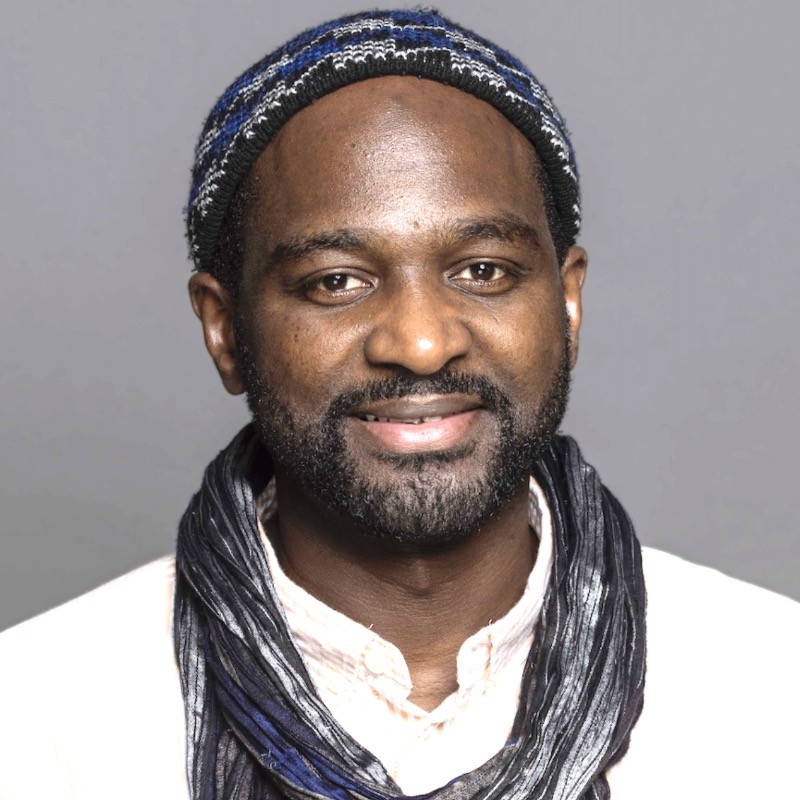
Talk title: From the ER to Organelle Mechanics in Lipid Metabolism
Biography: Abdou Rachid Thiam is a biophysicist and Research Director at the French National Centre for Scientific Research (CNRS) and the École Normale Supérieure (ENS) in Paris. He holds a physics engineering degree from ESPCI Paris and earned his Ph.D. in Applied Physics from Université Pierre et Marie Curie (2010), specializing in the stability of microfluidic emulsions. He then conducted postdoctoral research at Yale School of Medicine with Nobel laureate Prof. James E. Rothman, investigating intracellular vesicle trafficking. Since 2014, he has led a multidisciplinary research team at ENS exploring the biophysics and cell biology of lipid droplets and their communication with other organelles. He also served as Chair of the Biophysics Department at ENS from 2020 to 2024. In 2024, he co-founded ORIA Bioscience and holds several patents in membrane biology and microfluidics. He currently serves as the company's CSO, part-time advising the R&D team. His work has shed light on physical mechanisms regulating organelle homeostasis, especially lipid droplets and their relation to pathologies. His research has been widely recognized, with honors including the CNRS Bronze Medal, the Thomas E. Thomson Prize from the American Biophysical Society, the Liliane Bettencourt Prize for Life Sciences (2025), and election as an EMBO member. He is also actively committed to promoting science in underserved communities.
Nuno Raimundo
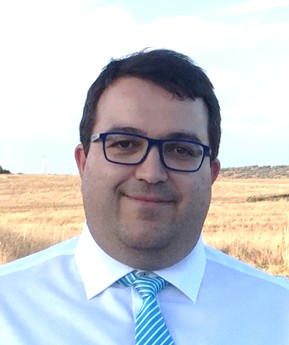
Talk title: Targeting signaling elicited by mitochondrial and lysosomal defects
Biography: I studied Biochemistry at the Faculty of Science (U. Lisbon, Portugal). Because of my interest in mitochondria, I moved to Helsinki, Finland for a PhD project focused on the role of mitochondria in tumor formation and neurodegenerative diseases. This occurred at a time during which the signaling roles of mitochondria started being appreciated. The next logical step was studying mitochondrial signaling in vivo using multiple model systems, which involved moving to the US for postdoctoral training at Yale University with Gerry Shadel.
In 2013, I relocated to Europe (Germany), and I started my lab with the support of a Starting Grant from the European Research Council. The focus of our research is how mitochondria interact with other organelles, particularly lysosomes, peroxisomes and endoplasmic reticulum.
In 2020, I relocated my lab to Penn State College of Medicine, where we keep pursuing the mechanisms of organelle cross-talk and their involvement in disease and aging. We use multiple omics approaches coupled with imaging and biochemical methods to to identify signaling mechanisms underlying organelle diseases and define novel therapeutic targets and strategies.