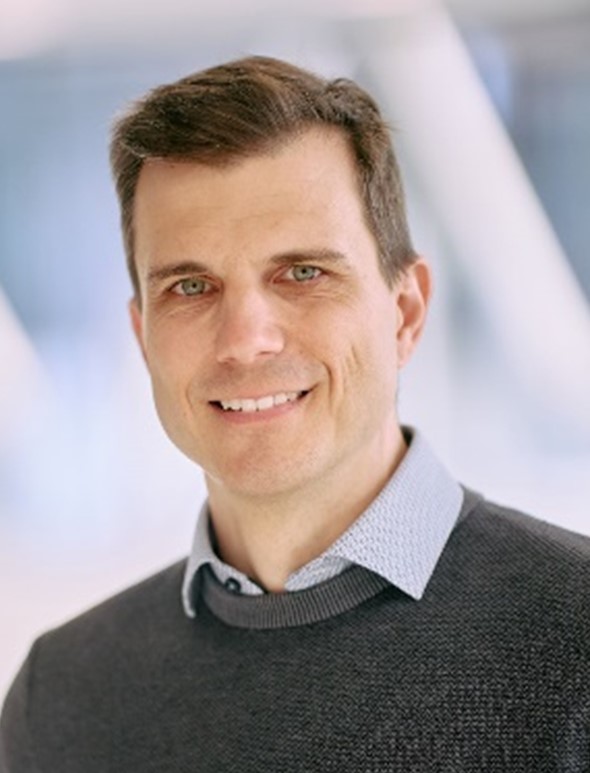
Professor Matthias Gehringer
University of Tubingen
This image may not be reproduced without permission.
Talk title: Cysteine and Beyond: Expanding the Scope of Covalent Kinase Targeting
Biography: Matthias studied chemistry at the Karlsruhe Institute of Technology (KIT; Germany), the Ecole Nationale Supérieure de Chimie de Montpellier (ENSCM; France), and the University of Heidelberg (Germany). He obtained his doctorate from the University of Tübingen (Germany) where he worked in the group of Prof. Stefan Laufer on reversible and irreversible inhibitors of the protein kinase JAK3. As a postdoc at the Swiss Federal Institute of Technology (ETH) Zürich (with Prof. Karl-Heinz Altmann), he focused on the total synthesis of complex natural products from the mycolactone family. In 2019, he was appointed as Assistant Professor for Medicinal Chemistry at the Institute of Pharmaceutical Sciences, University of Tübingen. In May 2024, he was appointed as Full Professor and head of the Division for Medicinal Chemistry at the Institute of Biomedical Engineering of the Faculty of Medicine, University of Tübingen. Matthias is a Principal Investigator (PI) in the Cluster of Excellence "Image Guided and Functionally Instructed Tumor Therapies (iFIT)".
His research focuses primarily on covalent protein kinase inhibitors and novel approaches for the covalent targeting of cysteine and other amino acids. He received a variety of awards including the Young Investigator Award of the German Pharmaceutical Society (DPhG) and the Phil Portoghese Lectureship Award of the American Chemical Society (ACS) MEDI division. Notably, Matthias is currently heading a European Federation for Medicinal Chemistry and Chemical Biology (EFMC) Best Practices initiative on covalent drug modalities.
Abstract: Protein kinases have been pursued as therapeutic targets for more than two decades.1 Despite substantial progress, a significant fraction of the human kinome still remains unexplored by selective small-molecule inhibitors, even though many of these kinases are likely to play important roles in human disease. In recent years, covalent approaches have emerged as a powerful strategy for the development of highly potent and selective kinase inhibitors.2,3 Our research focuses on the discovery and characterization of novel covalent inhibitors targeting both well-validated and understudied protein kinases.
In recent work, we and our collaborators have employed intact-protein mass spectrometry (MS)-based screening approaches to profile kinase-focused covalent fragment and inhibitor libraries containing cysteine-reactive as well as tyrosine/lysine-reactive warheads.4 These screening campaigns have identified a broad range of promising hits across multiple kinase targets. Initial hits were validated and characterized using complementary biophysical, biochemical, and cellular methods, including thermal shift assays, enzyme activity assays, cell-based studies, and X-ray crystallography.
Recent efforts aimed at expanding the repertoire of covalent protein kinase inhibitors will be described, with a particular focus on compounds targeting understudied kinases such as RIO kinase 2 (RIOK2). Furthermore, unexpected and non-canonical binding modes revealed by structural studies of kinases including MAP kinase-activated protein kinase 2 (MAPKAPK2, MK2)5 and RIOK2 will be highlighted. These findings provide a foundation for ongoing medicinal chemistry optimization and support the development of selective chemical probes as well as potential therapeutic candidates.
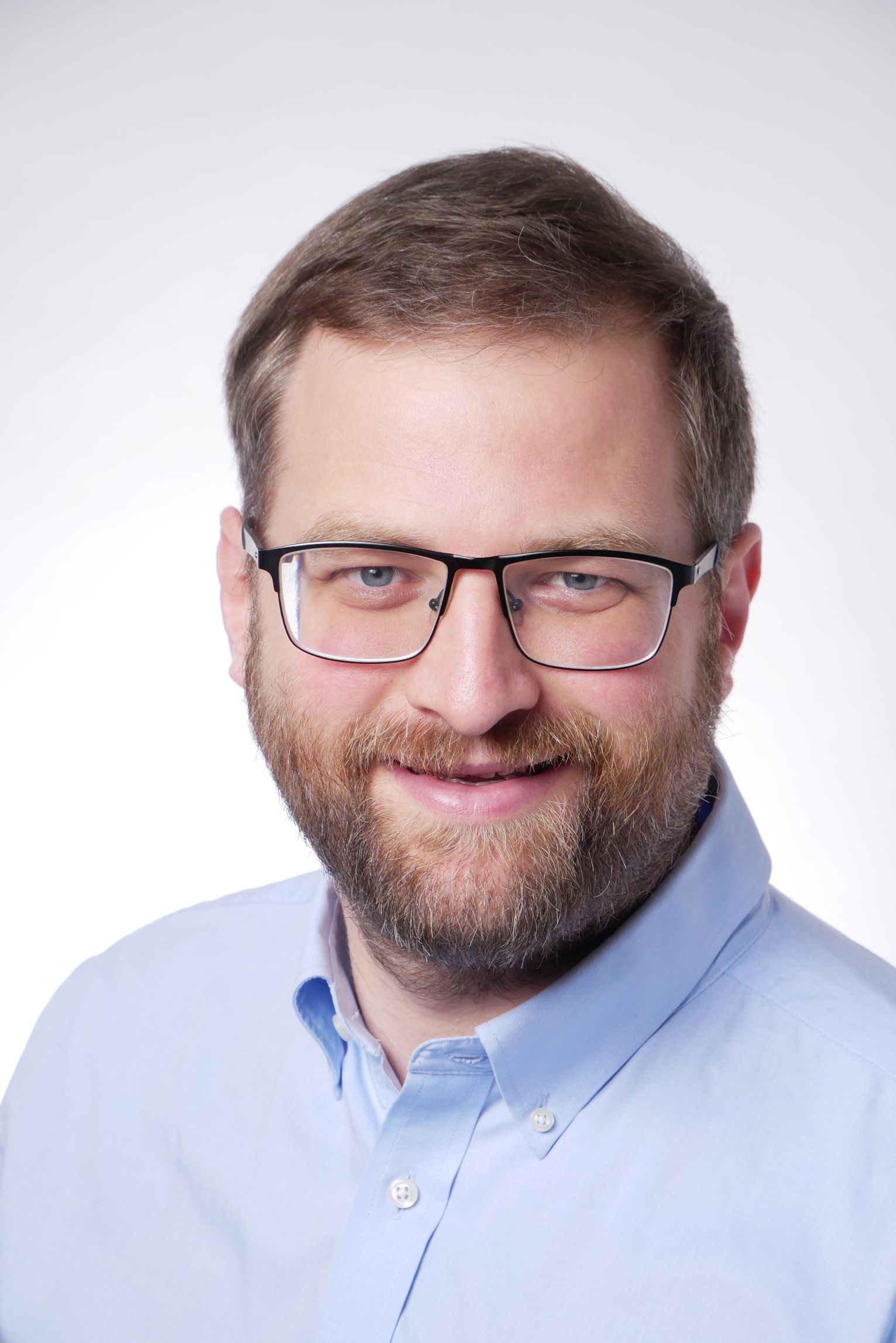
Dr Stephan Hacker
University of Leiden
Talk title: Profiling the proteome-wide selectivity of diverse electrophiles
Biography: Dr. Stephan Hacker performed his PhD studies with Prof. Andreas Marx at the University of Konstanz, Germany, and his postdoctoral research with Prof. Benjamin Cravatt at The Scripps Research Institute in La Jolla, USA. Afterwards, he moved to the Technical University of Munich, Germany, to work as an independent group leader. In 2021, he became an Assistant Professor at the Leiden Institute of Chemistry. Stephan Hacker’s group develops chemistries for novel covalent protein ligands targeting diverse amino acids as well as chemoproteomic technologies to study their target engagement with resolution of the modified amino acid residue in proteome-wide studies. His group focuses on the application of these compounds and technologies to identify new druggable target proteins in bacteria.
Abstract: Patrick R. A. Zanon, Fengchao Yu, Patricia Musacchio, Lisa Lewald, Michael Zollo, Kristina Krauskopf, Dario Mrdović, Patrick Raunft, Thomas E. Maher, Marko Cigler, Christopher Chang, Kathrin Lang, F. Dean Toste, Alexey I. Nesvizhskii, Stephan M. Hacker
Targeted covalent inhibitors are powerful entities in drug discovery to expand the druggable proteome. Nevertheless, their application has so far mainly been limited to addressing cysteine residues. The development of cysteine-directed covalent inhibitors has largely profited from determining their proteome-wide selectivity using competitive residue-specific proteomics. Several probes have recently been described to monitor other amino acids using this technology and many more electrophiles exist to modify proteins. Nevertheless, a direct, proteome-wide comparison of the selectivity of diverse probes is still entirely missing. Here, we developed a completely unbiased workflow to analyse electrophile selectivity proteome-wide and applied it to directly compare 54 alkyne probes containing diverse reactive groups. In this way, we verified and newly identified probes to monitor a total of nine different amino acids as well as the N terminus proteome-wide. This selection includes the first probes to globally monitor tryptophans, histidines and arginines as well as novel tailored probes for methionines, aspartates and glutamates.
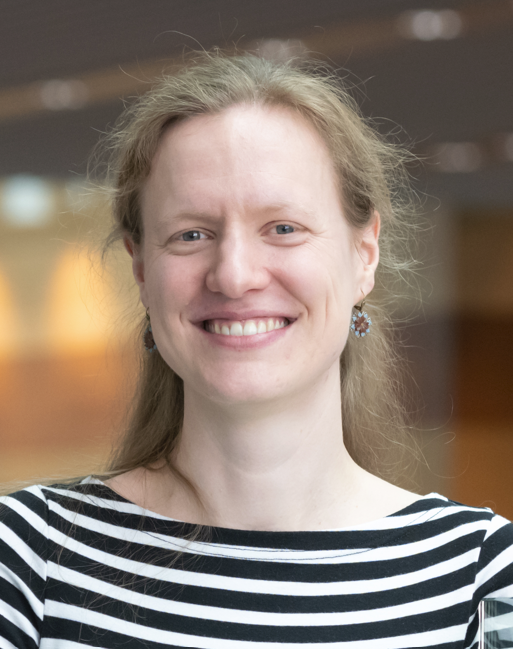
Dr Louise Walport
Imperial College London
Talk title: Adventures in Covalency with mRNA display
Biography: Louise is an Associate Professor in the Department of Chemistry at Imperial College London and a Group Leader at the Francis Crick Institute. She obtained her doctorate from the University of Oxford in 2014 under the supervision of Prof. Chris Schofield and Prof. Christina Redfield, focussing on mechanistic studies of histone demethylases. Following further postdoctoral work in Oxford, she was awarded a Marie Skłodowska-Curie Global Fellowship to work in the group of Prof. Hiroaki Suga at the University of Tokyo, where she developed her interest in cyclic peptides. She established her independent group in late 2018, where she continues to be interested in understanding enzyme-catalysed post-translational modifications and developing new approaches to probe these with cyclic peptide-based tools. He group has pioneered ways to expand the target scope of mRNA display including through screening proteins in cell lysates and introducing covalent warheads into cyclic peptide libraries.
Abstract: mRNA-display-based cyclic peptide discovery platforms, such as RaPID, provide powerful routes to rapidly identify tight binding ligands to almost any target of choice. To date most hits have been identified by affinity panning against a target to yield tight but reversible binders. With the increased interest in covalency in drugs and chemical probes, however, we have been working towards modifying mRNA-display strategies to identify covalent ligands exploiting both photoreactive and electrophilic warheads.
Taking advantage of the amazing versatility of the ribosome, we have been incorporating a range of reactive moieties into RaPID libraries. Introducing photoreactive p-benzoyl-L-phenylalanine into libraries we developed photocrosslinking-RaPID (XL-RaPID), which can accelerate the discovery of cyclic peptides that photocrosslink to a target of interest.1 Using this approach we have identified de novo covalent probes to the second bromodomain of BRD3 that can label it selectively even in complex cell lysates. Building on this strategy we have extended XL-RaPID to support conversion of a potent reversible cyclic peptide binder into an efficient crosslinking probe using PCSK9, a protein involved in the regulation of LDL cholesterol levels, as a model target.2 Finally, moving beyond photocrosslinking, we have recently introduced cysteine-reactive electrophiles into RaPID libraries.3 Using these new libraries we have identified potent irreversible inhibitors of the arginine deiminase PAD4 and have explored the ability of tight binding peptides to drive covalency at different cysteine sites.
Dr Megan Wright
University of Leeds
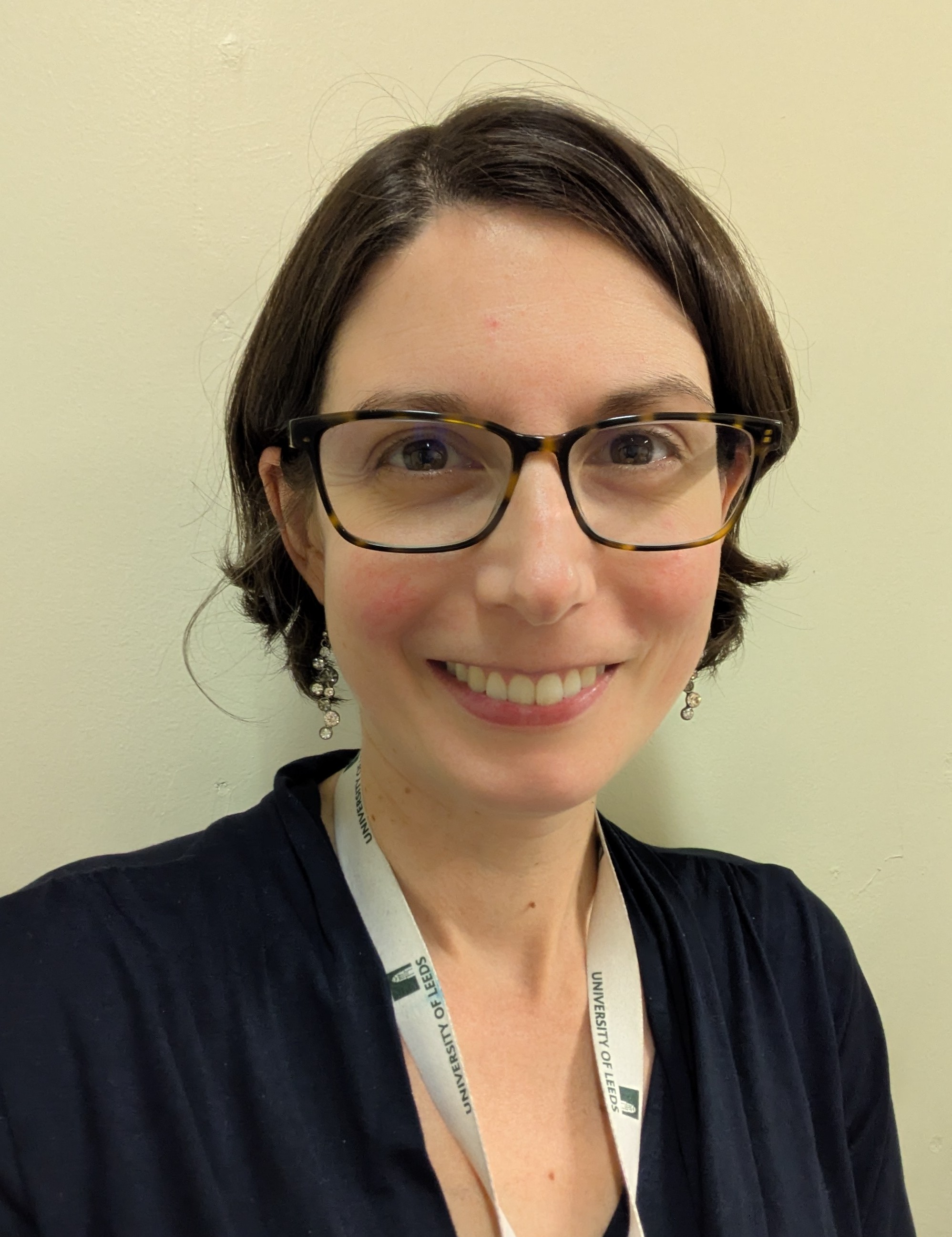
Talk title: Chemical probes for target identification and protein labelling in cells
Biography: Megan graduated with an MSci from the University of Cambridge in 2008 in Natural Sciences (Chemistry), then went on to study for an MRes-PhD with Prof. Ed Tate at the Institute of Chemical Biology at Imperial College London, working on chemical biology approaches to protein lipidation. After receiving her PhD in 2013, she undertook postdoctoral research, first as an EPSRC Doctoral Prize Fellow in the Tate group, and then as a Marie Curie Fellow with Prof. Stephan Sieber at the TU Munich where she developed activity- and affinity-based probes for protein targets. She joined Leeds on a tenure-track University Academic Fellowship in 2016 and was promoted to Associate Professor in 2022. The Wright group works in the field of chemical biology, exploiting covalent chemistry to develop chemical tools to probe dynamic protein function and the mode of action of small molecules in live cells and at the molecular level.
Abstract: Cysteine-reactive chemical probes and fragments have been transformational tools for the unbiased discovery of ligandable protein pockets. In this talk I will describe work where, in collaboration with Adam Nelson’s group at Leeds, we have sought to expand the toolbox of covalent fragment libraries by diversifying both electrophilic warheads and molecular scaffolds. Whether deployed in direct-to-biology screening campaigns or phenotypic assays, these diverse electrophilic libraries can reveal cryptic pockets and previously uncharacterised protein targets. I will also describe my group's work to develop caged covalent probes which can be triggered by an external agent such as light to gain temporal control over probe reactivity. These caged probes may allow access to previously unexplored regions of biological space in cells.
Dr Matthew Bilyard
Roche
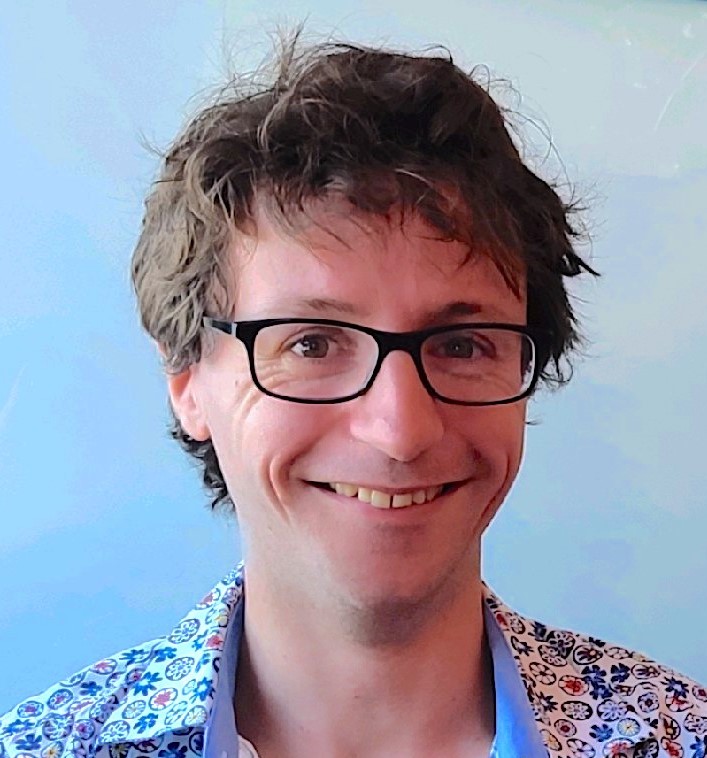
Talk title: Accelerating cell-free covalent drug discovery cascades at scale
Biography: Matt completed his PhD at the University of Oxford under Prof. Ben Davis (2013-2017), researching site-selective covalent modification of enzymes and its application to study mechanisms of glycogen biosynthesis. Following postdoctoral research with Prof. Sir Shankar Balasubramanian (University of Cambridge), he joined AstraZeneca’s Mechanistic Biology and Profiling team in 2021. In 2023, Matt moved to F. Hoffmann-La Roche in Basel, where he is currently a Senior Scientist in Mass Spectrometry and Biochemistry within the Lead Discovery department.
Matt’s work focuses on the development of diverse MS-based assays to support hit-to-lead activities across multiple therapeutic areas. Throughout his time at Roche and AstraZeneca, he has specialized in covalent drug discovery, from designing and running high-throughput MS-based covalent screens to developing new approaches to accelerate and simplify hit follow-up. In collaboration with external partners, he is leading the implementation of fast, automated data analysis pathways for covalent screening, while additionally helping to shape Roche’s broader covalent strategy as a member of a dedicated “covalents focus team”.
Abstract: Covalent drug discovery is experiencing a surge in interest both in academia and industry, driven by clinical success stories, technological advances in instrumentation, and the increasingly challenging nature of new targets that are often not amenable to other approaches. Concomitantly, the size of covalent screening libraries deployed in industry continues to expand in size – Roche’s current collection contains many thousands of compounds and is ever-increasing. This brings opportunity, but also challenges and potential bottlenecks, from screening itself to screen follow-up, and from laboratory methods to data analysis. This presentation will give an overview of how we tackle covalent lead discovery campaigns within Roche, with a focus on high-throughput mass spectrometry approaches. Development, optimization and automation of both lab workflows and analytical processes has enabled us to significantly accelerate hit discovery and follow-up.
Dr Elena De Vita
Lecturer in Synthetic Biology and Biotechnology
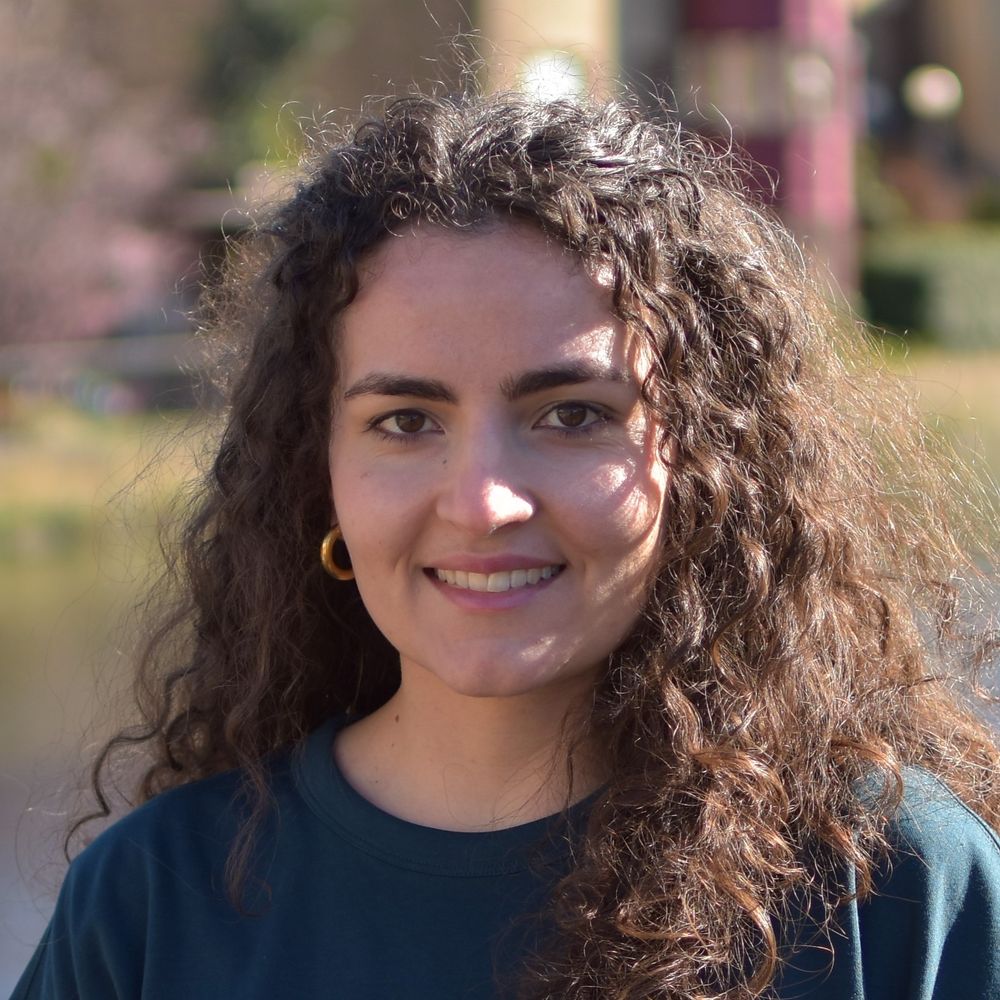
Talk title: Tackling a challenging small GTPase: a covalent inhibition strategy to target the RAB27-effector protein-protein interaction
Biography: Elena De Vita graduated in Pharmaceutical Chemistry and Technologies from the University of Pisa in 2014, where she developed novel carboxylic acid–based inhibitors of matrix metalloproteases during her Master’s thesis (Prof Armando Rossello). She then joined the Cancer Drug Development group at the German Cancer Research Center (DKFZ, Heidelberg) as a DKFZ-MOST funded PhD student (German-Israeli collaboration) to develop of covalent inhibitors of a secreted serine protease (KLK6) under the supervision of Dr Aubry Miller.
Following a short EMBO-funded visit to Imperial College, Elena joined the Tate group as a CRUK Research associate to work on the development of covalent inhibitors for the small GTPase Rab27A. In 2020, she was awarded a Marie Skłodowska Curie Fellow and successively she was funded by Worldwide Cancer Research as a Co-investigator (2022). Alongside her research, Elena has been active in scientific innovation and recognition initiatives, including participation in the winning team of the Merck Innovation Cup in 2021 and being shortlisted for the L’Oréal–UNESCO UK For Women in Science programme in 2022.
Currently, Elena is a Lecturer in Synthetic Biology and Biotechnology within the Centre for Molecular and Cellular Biology at Queen Mary University of London.
Abstract: Vesicle trafficking and exocytosis are tightly controlled cellular processes that can be aberrantly rewired by diseases such as cancer and chronic inflammation. RAB27 is a small GTPase that docks to intracellular vesicles and regulates their trafficking by interacting with specific effector proteins via protein-protein interactions (PPIs). Pharmacological modulation of RAB27 activity faces challenges typical of small GTPases, including a lack of well-defined pockets outside the conserved GTP binding site, and large RAB27-effector PPI surfaces.
Compared to the other >60 Rab proteins, RAB27 isoforms, A and B, contain two unique cysteines, Cys123 and Cys188, which flank a pseudo-pocket (WF pocket) that is essential for effector PPIs. Here, we present the discovery and development of the first cell-active, rationally designed covalent inhibitors of the RAB27-effector interaction via Cys123 covalent engagement. We used an electrophile-first biochemical screen, leading to a novel class of acrylamide-based covalent inhibitors, and X-ray crystallography structure-guided design to optimize inhibitors and probes that enantioselectively target RAB27 Cys123 in cells. This work provides the first toolbox of cell-active chemical probes for RAB27 which can be used in future studies to shed light on the function of this protein and its potential as a therapeutic target. More broadly, it demonstrates how covalent ligand discovery can overcome longstanding hurdles associated with targeting challenging proteins and PPIs, a major area of focus in my research group.
Professor Ed Tate
Imperial College London

Talk title: Chemoproteomic discovery of druggable targets and pathways
Biography: Ed holds the GSK Chair in Chemical Biology at Imperial College London, and he is a Group Leader at the Francis Crick Institute. Following his PhD (2000) with Steve Ley in Cambridge and postdoctoral research in Paris as an 1851 Fellow and Howard Trust Fellow, he was awarded a BBSRC David Phillips Fellowship in 2006 to start his group at Imperial College. He sits on the advisory boards of several international research institutes and biotechs, and develops new drug discovery technologies with companies including Pfizer, GSK and AstraZeneca. His research has been recognised by awards and Fellowships, most recently the 2019 Sir David Cooksey Translation Prize, the 2020 Corday-Morgan Prize of the RSC, a 2022 Cancer Research UK Programme Award, and the 2024 RSC Horizon Prize. In 2023 he was appointed to the GSK Endowed Chair in Chemical Biology at Imperial College. Ed is also academic founder of several companies developing his lab’s research toward clinical applications, including Siftr Bio and Myricx Bio, which in 2024 raised one of the largest Series A rounds to date for a European biotech.
Abstract: My group focuses on post-translational modification (PTM) of proteins, including both natural PTMs such as protein lipidation or ubiquitination, and drug-mediated modification in the context of covalent ligands. In both cases, the modification can fundamentally and durably alter the biological function of a protein target, changing protein localisation, stability or activity, qualitatively distinguishing the effect of PTM versus non-covalent ligand binding. It also enables direct measurement of occupancy through covalent labelling of the PTM or ligand and chemical proteomics, offering unique insights into pharmacodynamics and selectivity. In this talk I will discuss recent work from my lab bridging phenotypic screening, chemical proteomics, structure-guided ligand optimisation and in vivo studies to discover and exploit novel drug targets with covalent modalities.
Steven Gygi
Harvard Medical School
Talk title: Covalent Breakers in Drug Discovery: Disrupting Protein-Protein Interactions
Biography: Steven Gygi, Ph.D., received his Ph.D. from the University of Utah in Pharmacology and Toxicology performing small molecule mass spectrometry. He went on to pursue postdoctoral work with Ruedi Aebersold at the University of Washington in 1996. A revolution in biological mass spectrometry was occurring which allowed for the measurement of protein expression levels, and a new field, Proteomics, was born. In 2000, Dr. Gygi moved to Harvard Medical School and joined the Department of Cell Biology. Currently, he is the faculty director of two MS core facilities (Taplin Biological MS Facility, and the Thermo Fisher Center for Multiplexed Proteomics).
Research in the Gygi lab centers around developing and applying new technologies in the field of mass spectrometry-based proteomics. These include the systematic and proteome-wide measurements of many protein properties including their expression levels, modification states, structure, localization, function, and interactions. For example, the Gygi lab, together with the Harper lab at HMS, is creating a genome-scale map of the protein-protein interaction landscape in cells (termed BioPlex). In addition, sample multiplexing techniques like Tandem Mass Tags (TMT) are being improved to allow up to 32 proteomics samples to be analyzed simultaneously using high-resolution mass spectrometry. One growing application area for TMT is in fragment-based drug discovery where entire libraries can be profiled for reactivity towards thousands of cysteines in cells.
Abstract: Fragment-based drug discovery (FBDD) using libraries of covalent electrophiles is a powerful approach to identify reactive cysteines that modulate protein function. We have improved mass spectrometry-based screening approaches in two ways: i) incorporating sample multiplexing with tandem mass tags (TMT) for up to 32x increase in throughput, and ii) adapting compound pooling to screens to increase throughput by up to 32x again. This talk will highlight our progress in screening pools of electrophiles in a sample multiplexing format for massive increases in throughput. 2D pooling will be described as a method to screen 1,000 electrophiles in a single TMT plex (32 pools and 32 multiplexing channels). Several hits were found on cysteines that are predicted to disrupt protein-protein and protein-DNA interactions, including for BAHD1-Cysteine 703.
Dr Matthew Boygo
Stanford University
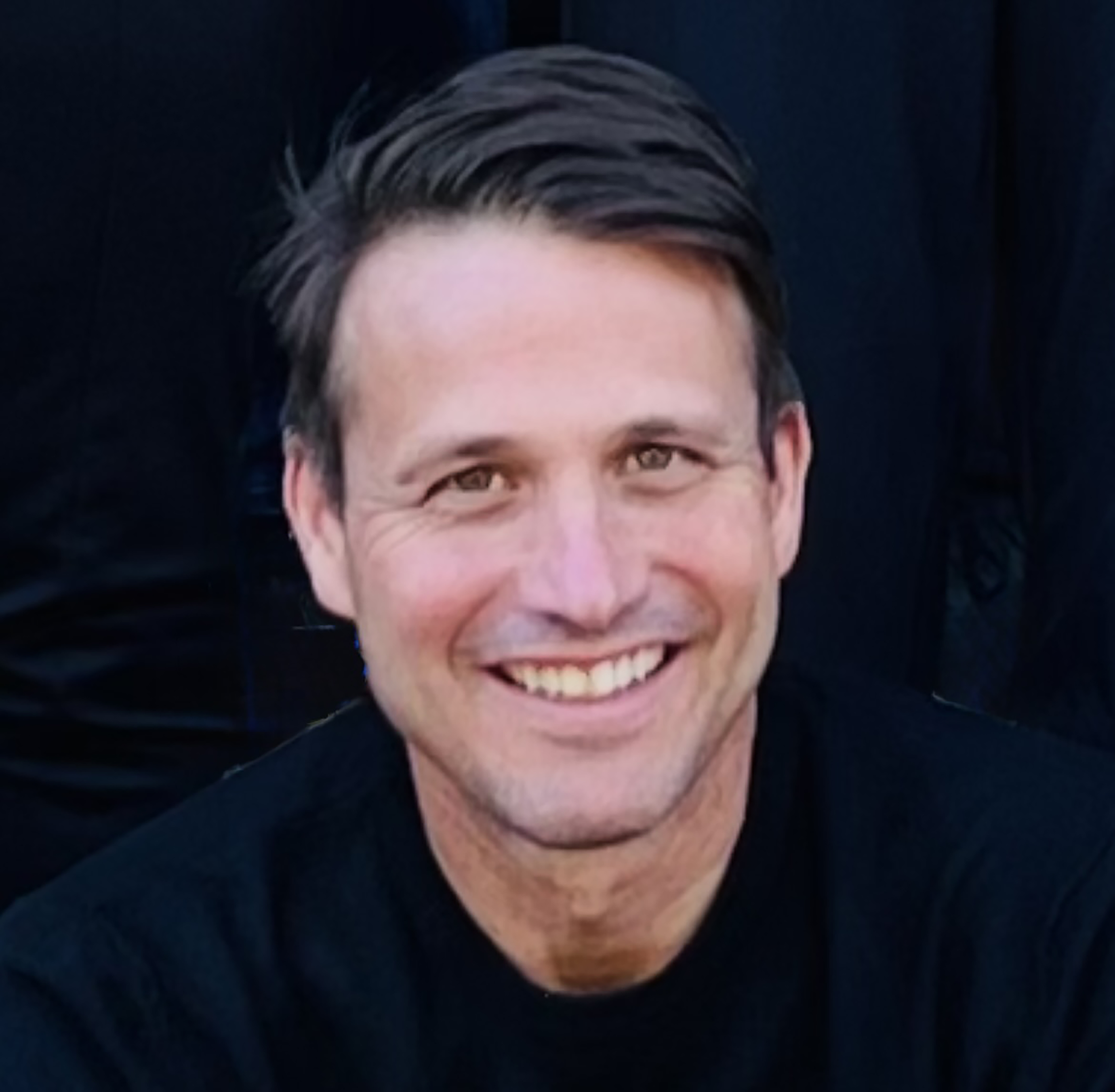
Talk title: Making it stick: applications for covalent probes in drug discovery, diagnostics and imaging
Biography: Dr. Bogyo is a Professor of Pathology and Microbiology and Immunology at Stanford University. He received his bachelor’s degree in Chemistry from Bates College in 1993 and a doctorate in Chemistry from Massachusetts Institute of Technology in 1997. Dr. Bogyo established an independent scientific career as a Faculty Fellow at the University of California, San Francisco in 1998. In 2001, Dr. Bogyo established the Chemical Proteomics Department at Celera Genomics focused on applying small molecule probes to the field of drug discovery. Dr. Bogyo then joined the Department of Pathology at Stanford University in July 2003 and was promoted to Associate Professor in 2009 and to full professor in 2013. Dr. Bogyo has published over 300 primary research publications and currently serves on the Editorial Board of several journals. Dr. Bogyo is also a member of Stanford’s Comprehensive Cancer Center, the Molecular Imaging Program at Stanford (MIPS) and is a consultant for several biotechnology and pharmaceutical companies in the Bay Area. He is the recipient of numerous awards including the Searle Scholar Award, The Terman Fellowship and the Burroughs Wellcome Investigators in Pathogenesis award. He is the co-founder of Akrotome Imaging, a company developing imaging contrast agents for detection of surgical margins.
Dr Scott Lovell
University of Bath
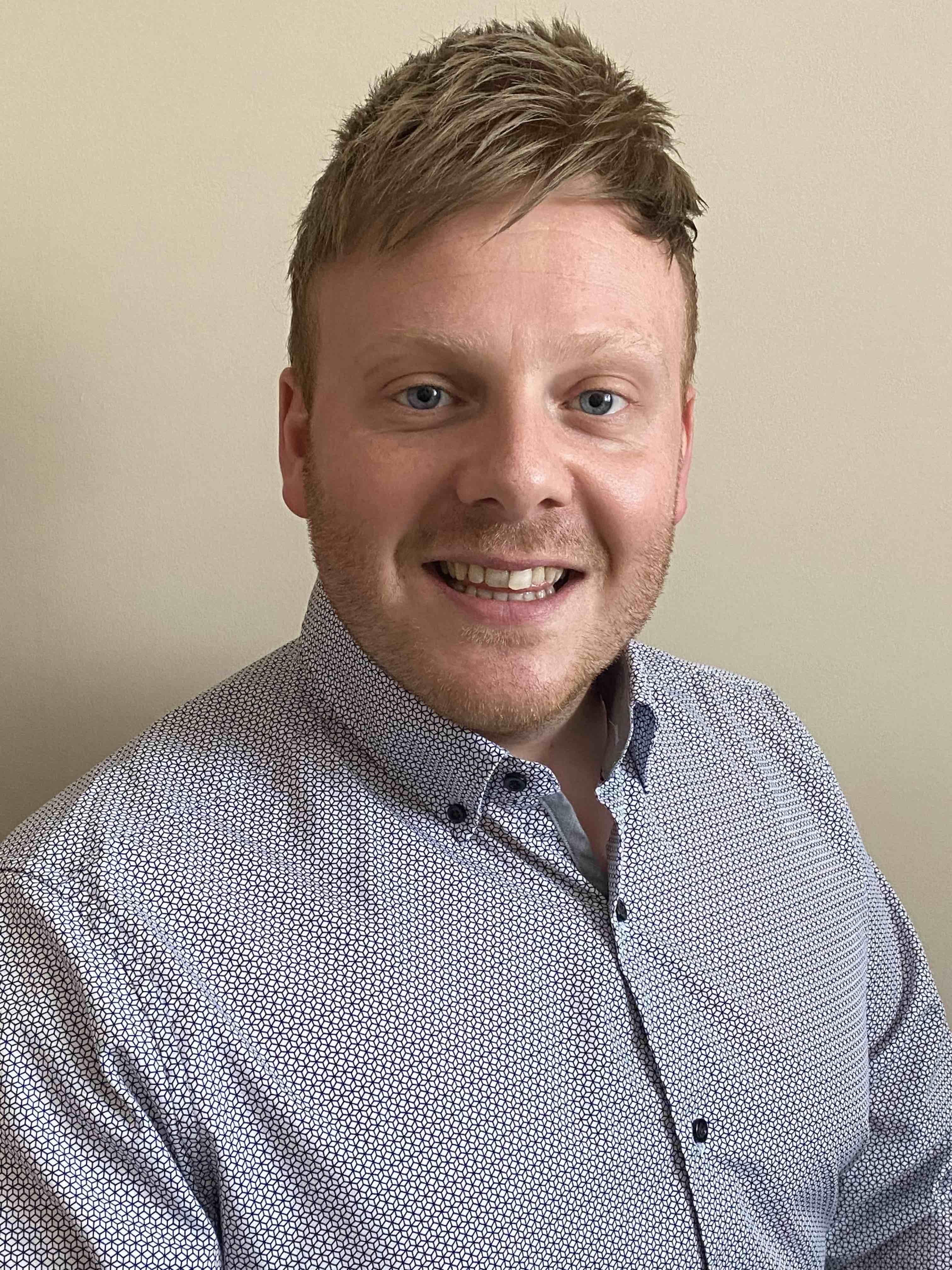
Talk title: Screening Approaches for the Identification of Covalent Peptide Inhibitors
Biography: Scott Lovell is a Future Leaders Fellow and Senior Lecturer of Chemical Biology in the Department of Life Sciences. Before joining the University of Bath in 2022, he was a postdoctoral researcher and Dean’s fellow in the lab of Prof. Matt Bogyo in the School of Medicine at Stanford University. Prior to this Scott acquired his PhD in Chemical Biology at Imperial College in the group of Prof. Ed Tate where he was also an EPSRC Doctoral Prize Fellow. Scott has worked in research labs around the world including in the UK, US, Australia, and Canada and has significant industry experience having worked for AstraZeneca and Pfizer as a synthetic chemist.
Abstract: The identification of selective covalent peptide ligands enables high-affinity and durable engagement of challenging protein targets, particularly within highly homologous enzyme families. In this work, we describe an integrated platform for the identification of targeted covalent macrocycles (TCMs) - peptide based ligands that combine the structural and selectivity advantages of macrocyclic peptides with the sustained target engagement of covalent inhibitors. Our approach uniquely integrates peptide phage display, systematic electrophile scanning, and direct-to-biology screening to enable the discovery of selective covalent binders without reliance on extensive target engineering or in vitro optimisation. We apply this covalent peptide discovery strategy to the kallikrein-related peptidases (KLKs), a family of 15 secreted serine proteases that form a tightly regulated proteolytic network (the KLK activome) with essential roles in extracellular proteolysis and signalling.2 Dysregulation of KLK activity is implicated in tumour growth, invasion, metastasis, and therapeutic resistance, and several family members - including KLK3/prostate-specific antigen (PSA) - exhibit highly restricted expression patterns and established clinical relevance. These features make KLKs an ideal system for evaluating the ability of TCMs to discriminate between closely related enzymes. Overall, this work demonstrates how covalent macrocyclic peptide discovery can be leveraged to generate highly selective chemical tools for probing protease biology and highlights the broader potential of this strategy for cancer imaging and targeted payload delivery.
Dr David Heppner
The State University of New York at Buffalo
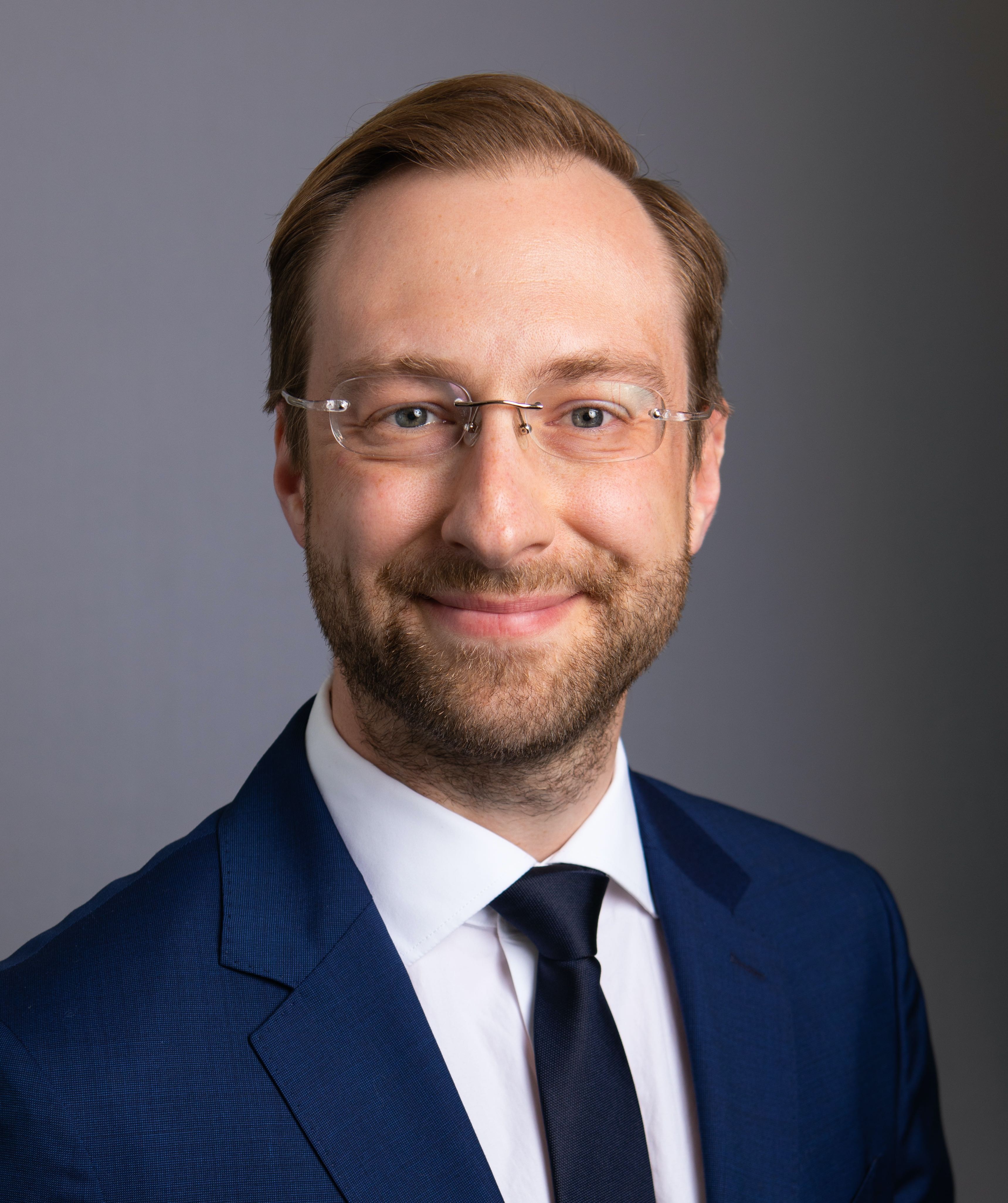
Talk title: Profiling and Characterizing Covalent Inhibitors
Biography: David E. Heppner is the J. Solo Assistant Professor of Medicinal Chemistry in the Department of Chemistry at the State University of New York at Buffalo. He earned his B.S. in Chemistry from the University of Minnesota and completed his Ph.D. in Chemistry under the mentorship of Edward I. Solomon at Stanford University.
Dr. Heppner received interdisciplinary training in biomedical research as an NIH postdoctoral fellow with Albert van der Vliet at the University of Vermont, followed by advanced postdoctoral research in medicinal chemistry, cancer biology, and structural biology with Michael J. Eck at the Dana-Farber Cancer Institute and Harvard Medical School.
The Heppner Laboratory integrates structural insights with medicinal chemistry to advance drug discovery, with an emphasis on the design and development of novel small-molecule therapeutics relevant to multiple disease areas. Prof. Heppner currently serves as an Associate Editor for the Journal of Medicinal Chemistry and was the recipient of the 2025 Philip S. Portoghese Lectureship Award.
Abstract: Covalent inhibition has long been an effective strategy for targeting mutant EGFR in lung cancer, and recent results have proven useful for understanding general principles of drug design. Structural and functional analyses of EGFR covalent inhibitors have provided new insights into covalent inhibitor design across medicinal chemistry and inform best practices in decision making. Activity measurements of EGFR covalent inhibitors have also provided insight into the confounding factors that complicate the drug discovery process.
William McCarthy
Francis Crick Institute
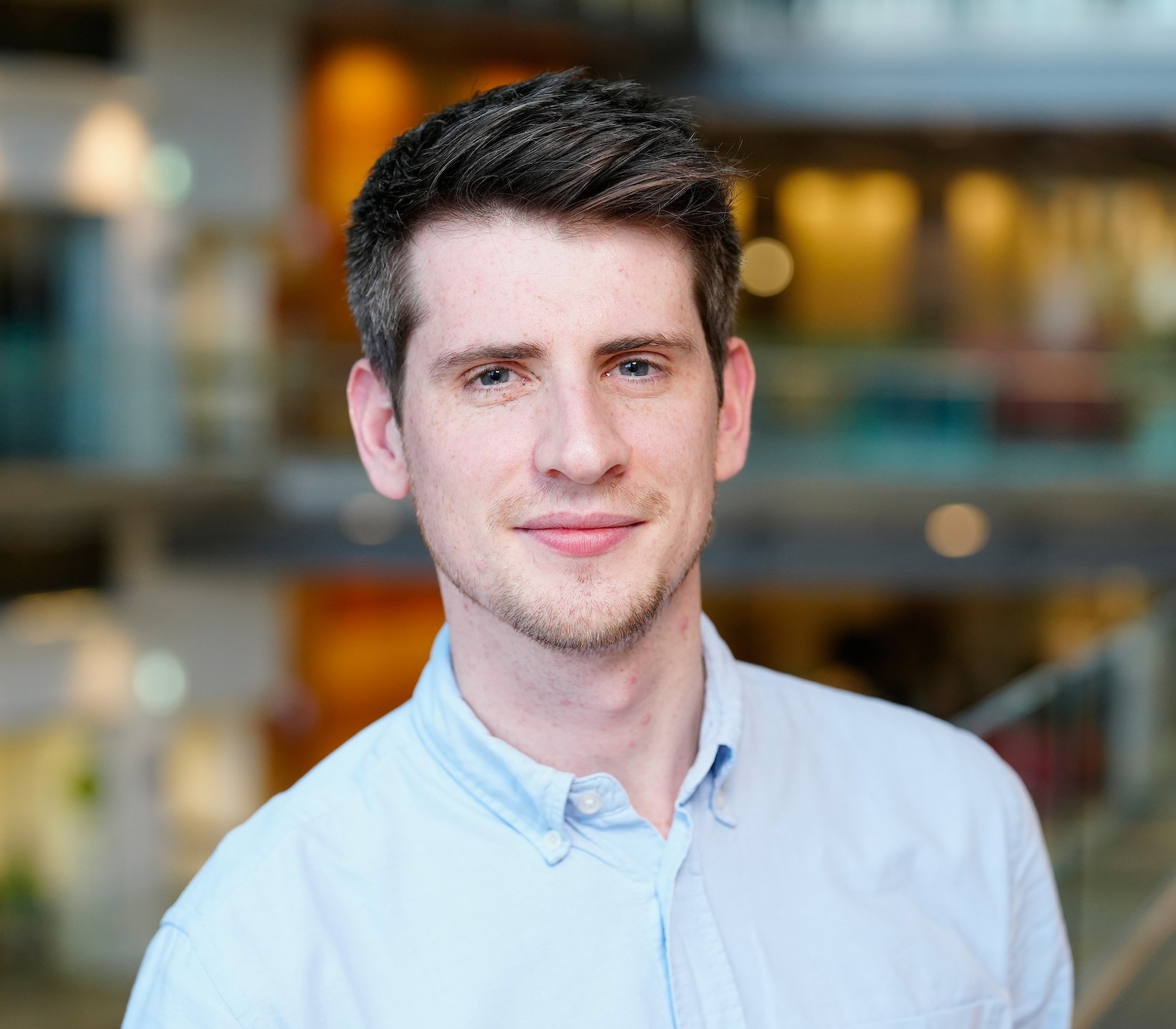
Talk title: Combining chemoproteomics and machine learning for data-driven covalent fragment library design
Biography: William completed his PhD at the University of Cambridge in 2021 under the supervision of Prof. Chris Abell. His doctoral research focused on the development and application of fragment-based drug discovery approaches to identify inhibitors of Coenzyme A biosynthesis in Mycobacteria. Since 2021, William has been a Postdoctoral Fellow at the Francis Crick Institute, working in close collaboration with the Chemical Biology Department at GSK. His current research integrates covalent fragment screening with proteomics technologies to accelerate expansion of chemical tool coverage across the human proteome. He is particularly interested in defining chemical design principles, leveraging large-scale proteomics data to optimize library design.
Dr Jonathan Pettinger
GSK Medicines Research Centre
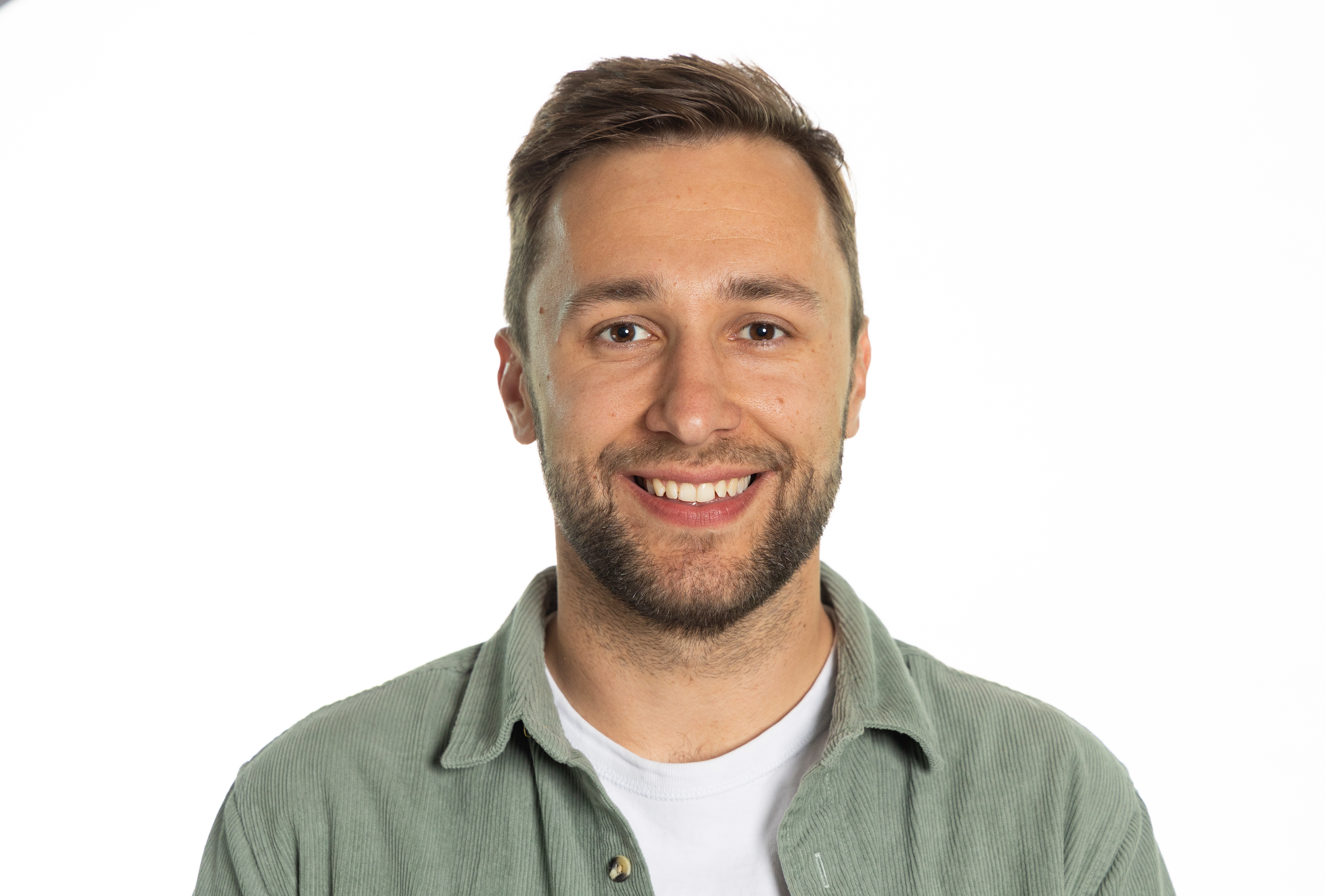
Talk title: TBC
Biography: Jonathan is a Scientific Leader in the Chemical Biology department at GSK. He earned his degree in Chemistry from the University of Southampton and went on to pursue a PhD at The Institute of Cancer Research, focussing on the development of lysine-targeting covalent inhibitors. He followed this by joining the GSK-Crick Biomedical LinkLabs collaboration as a postdoctoral research associate, where he developed reactive fragment screening approaches for the identification of novel covalent inhibitors of the ubiquitination system. In 2020, Jonathan joined the Chemical Biology department at GSK where he now leads a team utilising covalency with chemoproteomic and chemogenomic approaches to expand the ligandable proteome and identify novel tractable, disease-modifying targets.
Dr Michael Bodnarchuk
AstraZeneca

Talk title: Computational insights into the discovery of a novel class of brain penetrant inhibitors of KRASG12C
Biography: Dr Michael Bodnarchuk is a Principal Scientist in Oncology chemistry at AstraZeneca (Cambridge, UK), where he works on the discovery and optimisation of novel oncology compounds with a particular focus on targeting mutant KRAS. He holds a PhD in Computational Chemistry from the University of Southampton and has over a decade of experience in structure-based drug design and developing novel physics-based simulation methods. He was a key contributor to the discovery of AZD4625 and AZD4747, the latter a novel brain-penetrant covalent inhibitor of KRASG12C, as well as clinical candidates targeting CDK2 and PolQ.
Abstract: The glycine to cysteine mutation at codon 12 of KRAS represents an Achilles heel that has now rendered this important GTPase druggable. Herein we report our structure-based and in silico design strategies that led to the identification of AZD4747, a clinical development candidate for the treatment of KRASG12C positive tumours including treatment of CNS metastases. Building from our earlier discovery of C5 tethered quinazoline AZD4625, excision of a usually critical pyrimidine ring led to a weak but brain penetrant start point which was optimised for potency and DMPK properties. Key design concepts, computational principles and, importantly, measured parameters that give high confidence in CNS exposure are discussed. In the course of optimisation a divergence between rodent and non-rodent species was observed in respect of CNS exposure, with primate PET studies ultimately giving high confidence in expected translation to patients. AZD4747 is a highly potent and selective inhibitor of KRASG12C with an anticipated low clearance and high oral bioavailability profile in human.