Professor Sir Munir Pirmohamed
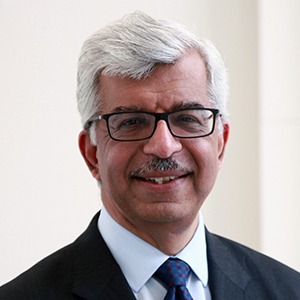
David Weatherall Chair of Medicine and NHS Chair of Pharmacogenetics
Session Chair
Biography: Professor Sir Munir Pirmohamed MB ChB, PhD, FRCPE, FRCP, FBPhS, FMedSci is David Weatherall Chair in Medicine at the University of Liverpool, and a Consultant Physician at the Royal Liverpool University Hospital. He is Director of the Centre for Drug Safety Sciences, and Director of the Wolfson Centre for Personalised Medicine. He is also Director of HDR North. He is an inaugural NIHR Senior Investigator, Fellow of the Academy of Medical Sciences in the UK, Commissioner on Human Medicines. He was President of British Pharmacological Society from January 2020 - December 2021, and is currently President of the Association of Physicians. He was awarded a Knights Bachelor in the Queen's Birthday Honours 2015. His research focuses on personalised medicine, clinical pharmacology and drug safety.
Professor Cathie Sudlow
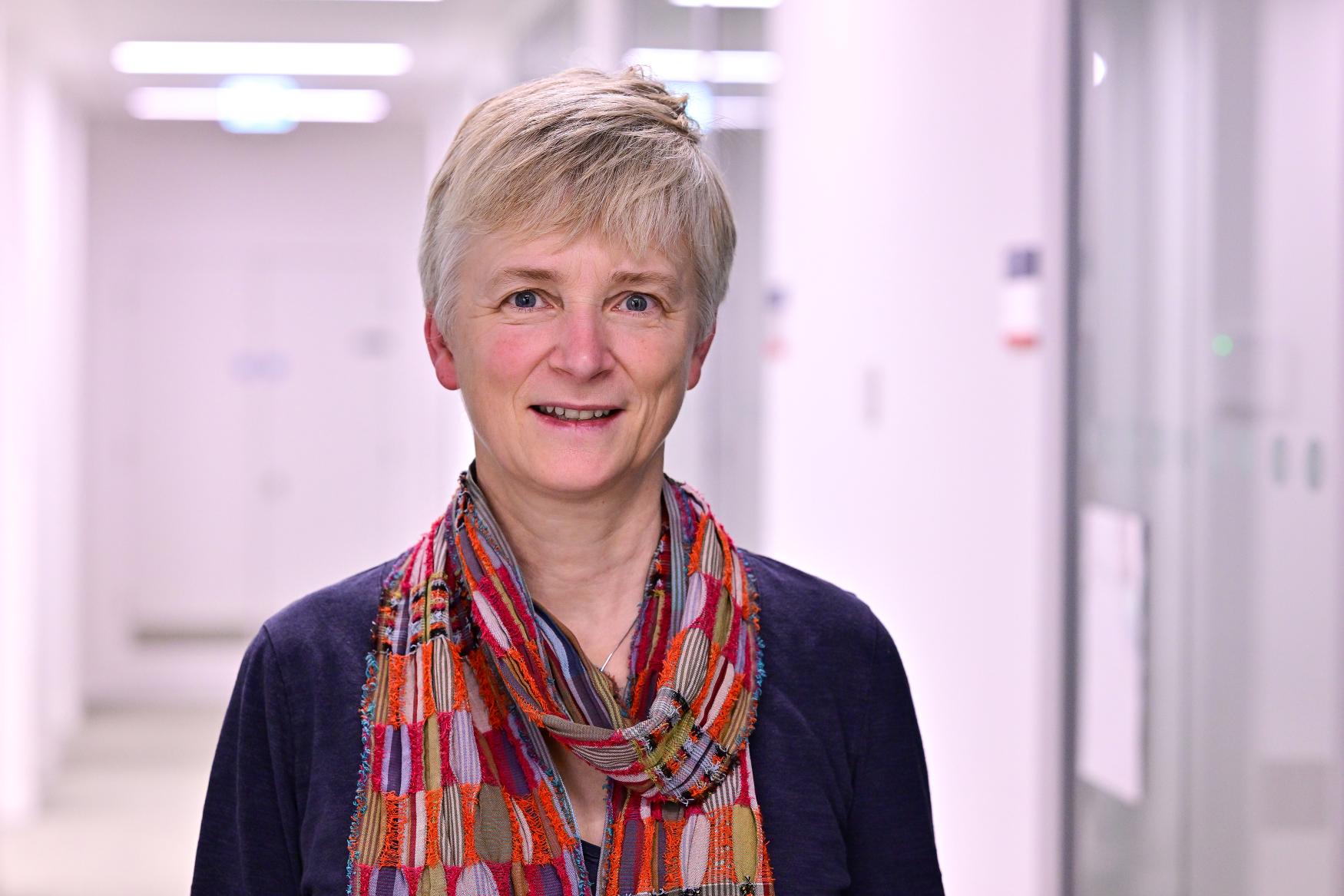
Professor of Neurology and Clinical Epidemiology | Director of Usher Institute | Head of School, Population Health Sciences
Talk Title: Reflections 18 months after the publication of "The Sudlow Review
Biography: Cathie Sudlow is Chair of Neurology and Clinical Epidemiology at the University of Edinburgh, Director of the Usher Institute, Head of the School of Population Health Sciences and of the Director of the UKRI Adolescent Health Study. She was previously the Head of the Centre for Medical Informatics at the Usher Institute. Until 2024, she was Chief Scientist and Deputy Director of Health Data Research UK, and Director of the British Heart Foundation Data Science Centre. She was also the first Research Director for HDR UK in Scotland. As a neurology specialist doctor with over 30 years working in the NHS, Professor Sudlow’s clinical work has focused mainly on the assessment and treatment of patients with suspected stroke. Professor Sudlow’s research interests have always been firmly embedded in the world of big data. Over the last 15 years, her focus has been on leading large-scale, collaborative, open-science initiatives that enable a better understanding of the causes and consequences of health and disease across the life course, leading to new and improved approaches to prevention, diagnosis and treatment. From 2011 to 2019, as Chief Scientist for UK Biobank, she led efforts to follow the health of UK Biobank participants through linkage to national health datasets. From 2020, she worked with NHS Digital (and then NHS England) to develop NHS England’s first secure data environment to hold and enable access for research to linked health data from multiple sources for the whole population of England. In 2023, Professor Sudlow was commissioned by the Chief Medical Officer for England, the UK National Statistician and NHS England to undertake an independent review of the UK-wide health data landscape. “Uniting the UK’s Health Data: A Huge Opportunity for Society” was published in November 2024, it sets out a bold vision for how the barriers and inefficiencies that currently delay the safe and secure use of health data to improve lives can be overcome, with key recommendations to transform the health data ecosystem. Cathie is a Fellow of the Academy of Medical Sciences and of the Royal Society of Edinburgh and Honorary Fellow of Health Data Research UK (HDR UK). She was awarded an OBE for services to medical research in 2020.
Professor Segun Fatumo
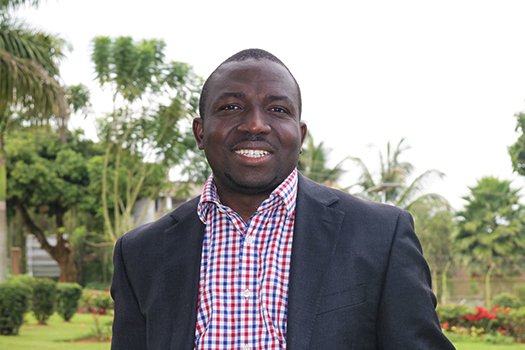
Professor and Chair of Genomic Diversity | Queen Mary University London
Talk Title: Harnessing African genome diversity to advance precision medicine for all populations
Biography:
Professor Segun Fatumo is a globally recognised genomic epidemiologist and one of the leading voices advancing equitable human genomics research. With more than two decades of experience, he has made transformative contributions to understanding the genetic determinants of a range of non-communicable diseases (NCDs), including chronic kidney disease and cardiometabolic traits in diverse ancestry populations.
He is Professor and Chair of Genomic Diversity at Queen Mary University of London and Head of Non-Communicable Disease Genomics at the MRC Uganda Research Unit, where he leads pioneering cross-continental research programmes. His academic foundation includes a PhD in Bioinformatics, supported by advanced postdoctoral training in bioinformatics and genetic epidemiology at the University of Georgia (USA), the University of Cambridge, and the Wellcome Sanger Institute (UK).
Professor Fatumo is widely known for his leadership in large-scale genomic initiatives aimed at addressing global health inequalities. He is the Principal Investigator and co-director of major continental programmes such as KidneyGenAfrica, BCX-Africa, and co-lead the Nigerian 100K Genome Project - A concerted effort to see over 100,000 Nigerians participate in the eponymous study, which will seek to understand the genetic basis of the highly prevalent NCDs in Nigeria. His work has attracted multi-million-dollar funding from the MRC, NIH, Wellcome Trust, and other global funders. Through these initiatives, he has been instrumental in establishing genomic research infrastructure, training early-career scientists, and driving capacity building across Africa.
A respected public communicator and global science ambassador, Professor Fatumo has been featured in major international media outlets, including BBC, The Telegraph, WIRED, Science Magazine, Forbes and others. He is frequently invited to deliver keynote lectures and expert invited presentations at leading scientific conferences around the world. He also serves as an Associate Editor for high-impact journals such as Genome Medicine and BMC Medical Genomics.
Beyond research, he plays a critical role in shaping global genomics policy. He has contributed to community engagement frameworks, ethical guidelines, and equity-centred policies that ensure genomic science benefits underrepresented populations. Professor Fatumo serves on several influential advisory boards, including the Scientific Advisory Boards of Genomics England, the Berlin Institute of Health at Charité and GWAS Catalog where he provides strategic guidance on population diversity, data ethics, and implementation of genomic medicine.
Professor Fatumo is also a dedicated educator and mentor. He is a Fellow of the Higher Education Academy (FHEA) in the UK, teaches across multiple MSc programmes, and supervises PhD students in the UK and Africa. He is strongly committed to strengthening research capacity on the continent and regularly organises and teaches genomic analysis workshops across Africa, including supervising PhD researchers across Africa and leading training initiatives that empower the next generation of African genomic scientists.
His exceptional contributions have been recognised through numerous accolades, including the prestigious MRC Impact Prize, awarded in recognition of his leadership in advancing African representation in genomic research and championing genetic risk prediction of complex diseases in African populations.
A passionate advocate for global equity, diversity, and inclusion, Professor Segun Fatumo remains deeply committed to transforming genomic medicine so that it serves all populations fairly. Through his visionary leadership, influential scholarship, and commitment to mentorship, he continues to expand the frontiers of genomic diversity research and shape the future of precision medicine worldwide.
Professor David van Heel
Professor of Genetics | Centre for Genomics and Child Health | Queen Mary University London
Talk Title: Genes and health: A diverse cohort with genomics, proteomics, and longitudinal healthcare data
Biography:
I am Professor of Genetics at Queen Mary University of London, Honorary Consultant Physician at Barts Health NHS Trust. I trained in clinical research with a Medical Research Council Clinical Training Fellowship and a Wellcome Trust Clinician Scientist Fellowship. My current research interests are population genomic medicine of British Bangladeshi and British Pakistani communities, with genetics, NHS health data and recall for further studies based on genotype/phenotype. I am Chief Investigator for the Genes & Health longitudinal population study: www.genesandhealth.org I was a member of the Medical Research Council Population and Systems Medicine Board (2016-2022). I was deputy Chief Clinical Information Officer for Barts Health NHS Trust (2013-2024).
Dr John McDermott
NIHR Clinical Lecturer | The University of Manchester
Talk Title: Integrating pharmacogenomic guided prescribing into routine care: The NHS PROGRESS study
Biography:
Dr John McDermott is an NIHR Academic Clinical Lecturer (ACL) at the University of Manchester and a Clinical Genetics Speciality Registrar. He was appointed as the UK’s first Academic Clinical Fellow in Genomic Medicine in 2016. Working at the Manchester Centre for Genomic Medicine (MCGM) his research focuses on the application genetic and genomic technologies in the acute and everyday healthcare settings - specifically focussing on the integration of pharmaocgenomics into routine practice. As part of the
Newman Laboratory he was awarded funding from the National Institute for Health Research (NIHR) to undertake the world’s first trial of a genetic test in the acute setting to avoid hearing loss in neonates. The Pharmacogenetics to Avoid Loss of Hearing (PALOH) trial and other similar projects require extensive colaboration between industry, academia and clinicians. This collaborative approach is encouraged at the MCGM and in 2018 Dr McDermott was awarded the
NIHR Clinical Research Network award for outstanding contribution to UK research. He has since been awarded NIHR i4i funding to lead
PALOH-UK and from Innovate UK for the
DEVOTE programme, both of which have stimulated extensive industry-academic collaborations. In 2015 Dr McDermott was a visiting scholar at the MIT and Harvard Broad Institute where he first worked with large “multi-omic” datasets. In 2018 he was awarded the Vienna Medal by the European Society of Human Genetics for his translational research. He is a University of Manchester alumnus and is passionate about the unique opportunities for population health research across the region.
Dr Stefanie Lip

Clinical Senior Lecturer | University of Glasgow
Talk Title: PHOENIX: Progress from pilot from randomised controlled trial of pre-emptive pharmacogenomics in acute and secondary care
Biography:
Dr Stefanie Lip is a Clinical Senior Lecturer in Pharmacogenomics based at the University of Glasgow. She graduated with an intercalated BSc (Med Sci) in 2011 and graduated with an MBChB from the University of Glasgow in 2013.
Dr Eunice Zhang
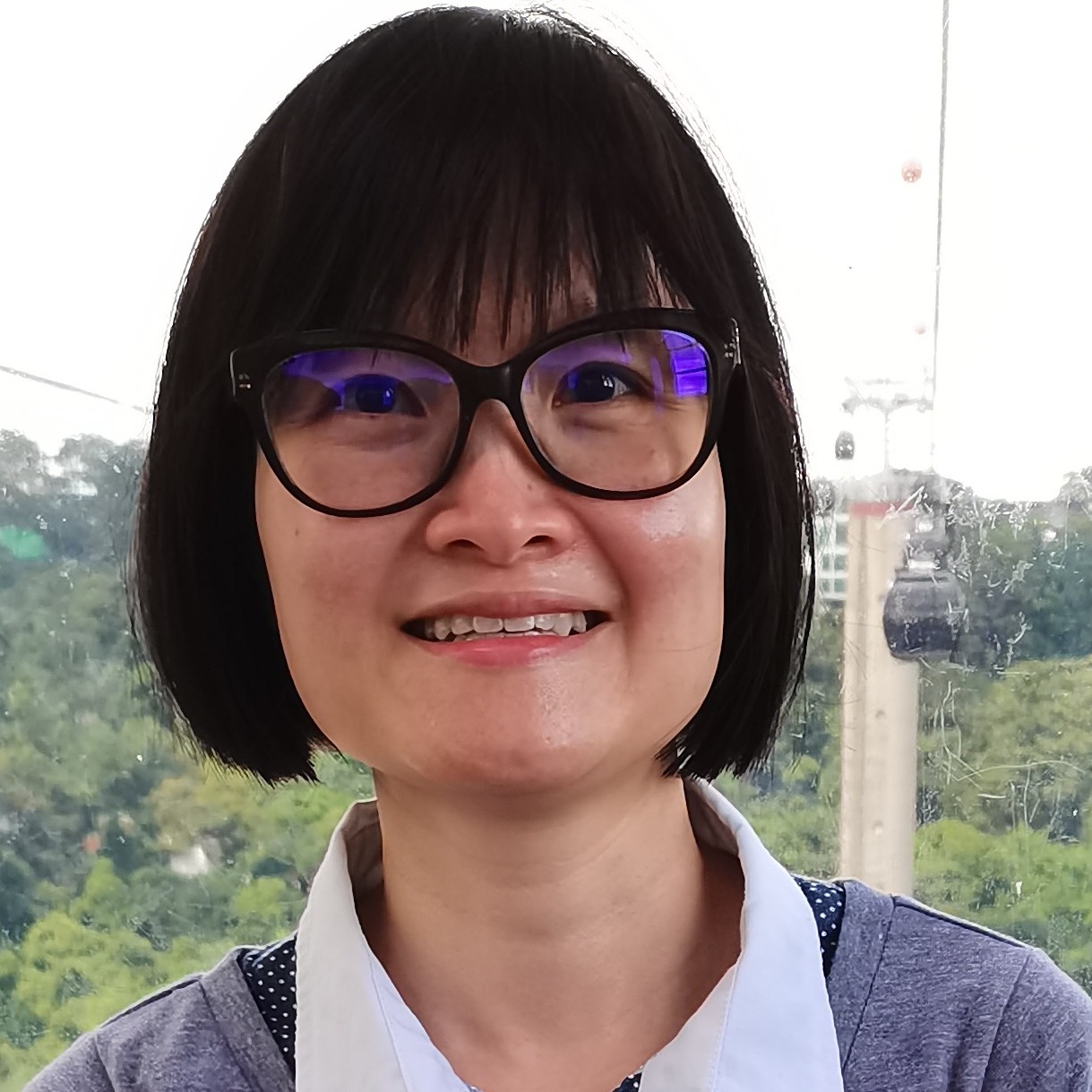
Research Associate | University of Liverpool
Talk Title: Improving knowledge of the variation in the DYPD gene
Biography:
Eunice Zhang is a senior research associate and a research technical professional in Professor Sir Munir Pirmohamed’s team at the Wolfson Centre for Personalised, within the Department of Pharmacology & Therapeutics at the University of Liverpool. With long-standing interests in pharmacogenomics, her research focuses on medication safety and personalised medicine in a range of disease areas, including oncology, haematology, and cardiology.
Jessica Keen
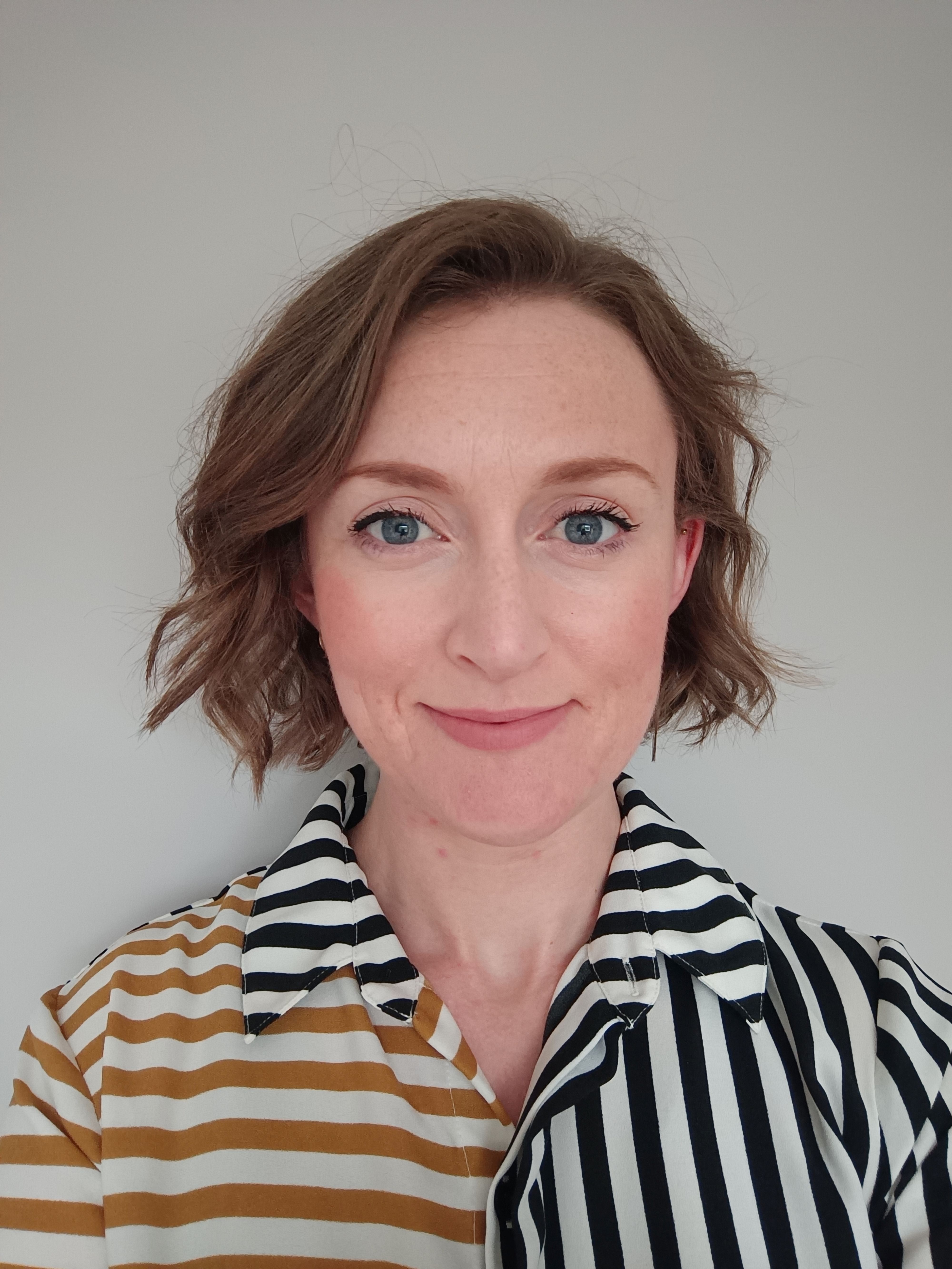
Clinical Research Fellow | University of Manchester
Talk Title: The role of pharmacy professionals in pharmacogenomics
Biography:
Jessica Keen is a Wellcome 4Ward North clinical doctoral fellow, whose research focusses on the implementation of pharmacogenomic panel testing into systemic anti-cancer treatment pathways. Her PhD builds on the MSc in Genomic Medicine she completed in 2022 and a pre-doctoral research fellowship with the NIHR Applied Research Collaboration Greater Manchester.
Previously, Jess was the Pharmacy Lead at the NHS NorthWest Genomic Medicines Service Alliance, working to embed genomic medicine into routine clinical pathways and ensure equity of access to genomic testing and treatments for patients. She has particular interest in the role of pharmacy teams and the wider workforce in the implementation of pharmacogenomics in the NHS. Within the NHS England Network of Excellence in Pharmacogenomics and Medicines Optimisation, she is leading a collaboration with the Royal Pharmaceutical Society to develop a pharmacogenomic competency resource for all prescribers.
Her background is as an oncology pharmacist prescriber at the Christie NHS Foundation Trust in Manchester, where she specialises in gastrointestinal cancers. She is co-chair of the British Oncology Pharmacy Association (BOPA) Genomic Medicine Advisory Group.
Dr Anita Hanson
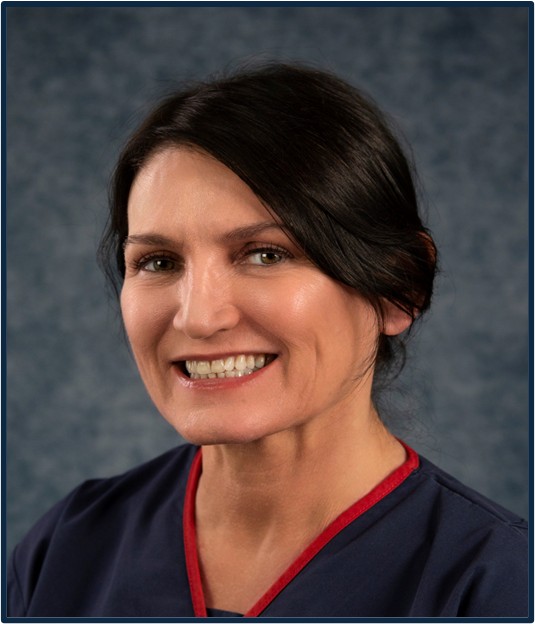
NIHR Senior Research Leader | Senior Nursing Research Fellow | University of Liverpool
Talk Title: The role of nurses in pharmacogenomics
Biography:
Dr Anita Hanson is a Senior Nursing Research Fellow at the University Hospitals of Liverpool Group and the Wolfson Centre for Personalised Medicine (WCPM) at the University of Liverpool. For over 20 years Anita has led the delivery of the clinical pharmacology and pharmacogenomic research portfolio to help better understand, predict and prevent reactions to medicines.
Anita has strong research interests in exploring strategies to improve the detection and reporting of adverse drug reactions. She leads the WCPM drug safety Patient and Public Involvement (PPI) group and together, co-produced the My SJS Passport, a tool to improve the care and experiences of survivors of Stevens Johnson syndrome/toxic epidermal necrolysis (SJS/TEN) post diagnosis.
Anita holds a NIHR Senior Research Leader award (to support Health and Care Professionals develop their research capacity and capability, and a NIHR Senior Clinical and Practitioner Research award (to explore nurses’ perceptions of pharmacogenomics).
Vivienne Parry, OBE
Writer | Broadcaster | Facilitator
Talk Title: Importance of pharmacogenomics for patients and the public
Biography:
Vivienne Parry OBE is a writer and broadcaster. A scientist by training, Vivienne hosts medical programmes for BBC Radio 4, writes widely on health, presents films, facilitates many high level conferences and trains young researchers. For over a decade she had a part time role as Head of Engagement at Genomics England which delivered the 100,000 Genomes Project. She has a distinguished record of public service including being a board member of UK Research & Innovation which is responsible for the strategic spend of the UK’s £8 billion research budget.
Mike Weale
Director | Statistical Methodology at Genomics Ltd
Talk Title: The potential for genomics to empower a new, prevention-first agenda for healthcare
Biography:
Mike Weale is Director of Statistical Methodology at Genomics Ltd, where he leads a team that underpins the company's R&D, strengthening the data and analytical pipelines that feed into both our Life Sciences and Healthcare projects and products. Through a number of strategic collaborations with external academic and clinical partners, Mike and his team validate the genetics-based risk models that sit at the heart of our Healthcare products. Mike has been at the centre of a number of collaborations we've had with Nilesh on PRS in cardiovascular disease prevention. Prior to joining Genomics, Mike spent his career in academia as a statistical geneticist and human population geneticist, and he brings deep methodological expertise to this area.
Dr Ann-Brit Jones
Clinical Research Fellow: Oncogenetics | The Institute of Cancer Research
Talk Title: Polygenic risk scores for stratifying clinically significant prostate cancer
Biography:
TBC
Professor Sir Nilesh Samani

Consultant Cardiologist | Spire Healthcare
Talk Title: Polygenic risk scores for CVD: ready for prime time?
Biography:
Nilesh Samani is Professor of Cardiology at University of Leicester and Honorary Consultant Cardiologist at University Hospitals of Leicester NHS Trust. He is also co-director of the Leicester-Apollo Centre for Digital Health and Precision Medicine. Professor Samani was previously Head of the Department of Cardiovascular Sciences at the University of Leicester and Director of the NIHR Leicester Biomedical Research Unit in Cardiovascular Disease. From 2016-2023, he served as Medical Director of the British Heart Foundation. Professor Samani’s research interests are in understanding the genetic contribution to common cardiovascular diseases. Professor Samani is Fellow of the UK Academy of Medical Sciences and an emeritus NIHR Senior Investigator. He was knighted for services to Medicine and Medical Research in 2015.
Professor Sarah Finer
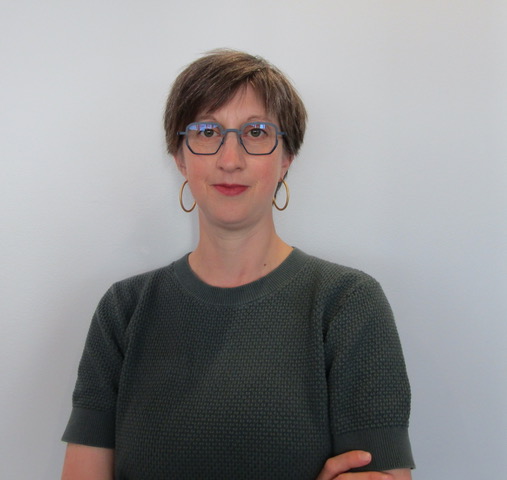
Professor of Clinical Diabetes | Queen Mary University London
Consultant Diabetologist | Barts Health NHS Trust
Talk Title: Genes and health: A diverse cohort with genomics, proteomics, and longitudinal healthcare data
Biography: Professor Sarah Finer is a clinician-scientist dedicated to improving diabetes care and reducing health inequalities affecting diverse and underserved communities. She is Professor of Clinical Diabetes at Queen Mary University of London and Consultant Diabetologist at Barts Health NHS Trust.
Her research spans clinical science, genetics, and health data, with a focus on translating genomic discoveries into equitable healthcare. She co-leads Genes & Health, one of the world's largest community-based genomics studies, involving more than 75,000 British Bangladeshi and Pakistani participants. Her team conducts interdisciplinary research into type 2 diabetes, aiming to ensure that advances in genomic medicine benefit populations that have historically been underrepresented in research.
Supported by a Wellcome Discovery Award, Professor Finer is currently investigating genetic variants that affect the accuracy of the HbA1c blood test, and the implications of these variants for people with, or at risk of, type 2 diabetes. This work is being undertaken through Genes & Health and also a new study she co-leads, Black Health Legacy, involving Black, Black African, and Black Caribbean communities in UK.