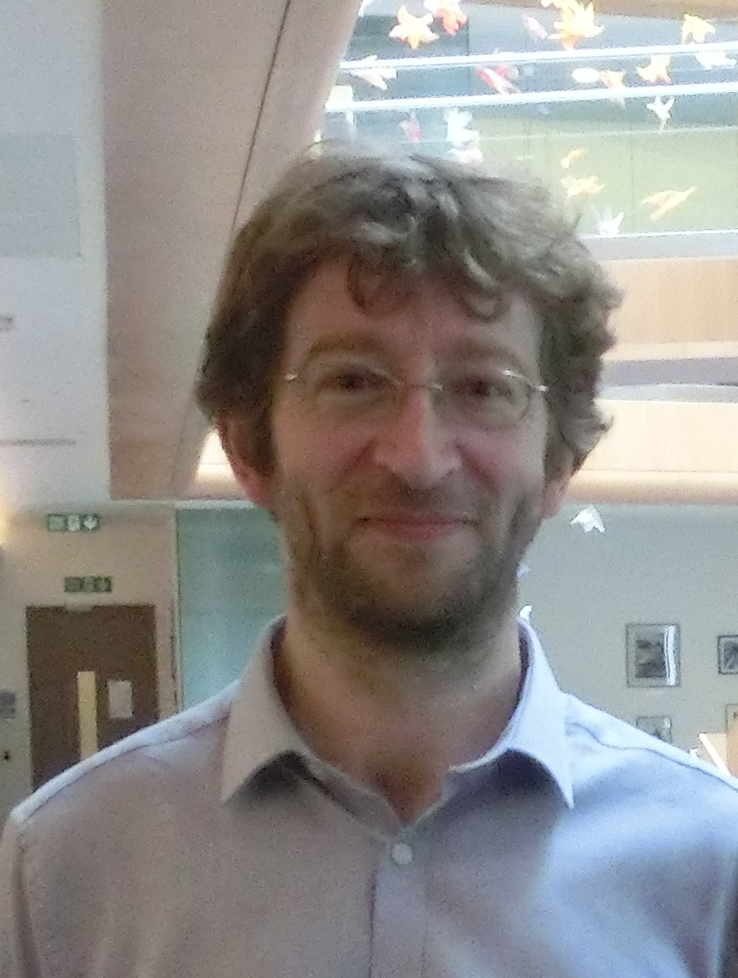
Professor Mark Howarth
University of Cambridge
Talk Title:
Bacterial superglues to empower biologics discovery, cell therapy and disease prevention
Biography: Mark Howarth is the Sheild Professor in Cambridge University Department of Pharmacology. His group has developed a range of protein superglues that are widely used in academia and biotech, leading to the concept of Click Biology. For this work he received the Royal Society of Chemistry Norman Heatley Award for chemical biology. He co-founded the vaccine company SpyBiotech and Gastrobody Therapeutics. 9 alumni from his lab have spun out their own companies. He is also the Translational Champion for his Department, working to develop entrepreneurship and to enhance industry/academia cooperation.
Abstract: The investigation and application of protein function is often limited by dissociation. Our lab re-engineered an adhesion system from Streptococcus pyogenes to generate an irreversible peptide-protein interaction (SpyTag/SpyCatcher). This superglue is genetically-encodable and shows specificity in diverse cellular environments. We accelerated reactivity to the diffusion limit and generated variants switchable by light, pH or temperature. SpyTag allows rapid reformatting of antibodies with reporters or effector molecules. SpyMask inducible reactivity allows simple assembly of bispecific antibody panels, to change the output of receptor signalling in cells and discover new therapeutic synergy. SpyTag also enables simple reformatting of CAR-T cells, virus-like particles for vaccination, or viral vectors for gene therapy. We have developed an independent bacterial superglue called NeissLock, engineered from Neisseria meningitidis. NeissLock allows covalent reaction at the cell-surface to unmodified human proteins via an anhydride. Applications will be discussed towards cell therapy and for broad protection against emerging disease threats.
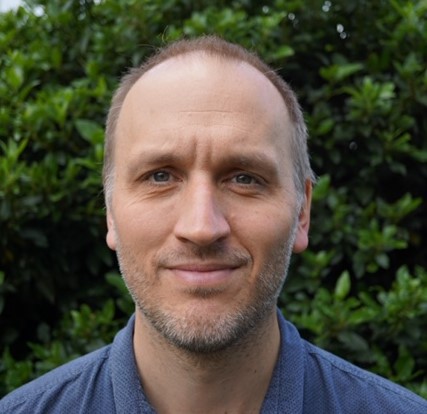
Dr Benjamin Taylor
AstraZeneca
Talk title:
CAR-T and TCR-T cells
Biography: Ben Taylor is a Senior Director within the Cell Therapy Discovery unit in AstraZeneca. He leads a team in early R&D helping develop next generation cell therapies using gene editing technologies and advanced in-vitro cell biology. Prior to AstraZeneca in 2014, he completed a PhD at Imperial College and Postdoc at the MRC Laboratory of Molecular Biology on epigenetic regulation and DNA mutagenesis in cancer.
Abstract: CAR-T and TCR-T cell therapies have transformed the treatment landscape for haematological malignancies. However, their application in solid tumours remains limited by the immunosuppressive tumour microenvironment. To address this, AstraZeneca has developed the "DIAL" framework—a strategic approach to guide the design and development of next-generation cell therapies. This presentation will introduce the DIAL framework and highlight our latest preclinical and clinical efforts aimed at enhancing therapeutic efficacy in solid tumour settings.
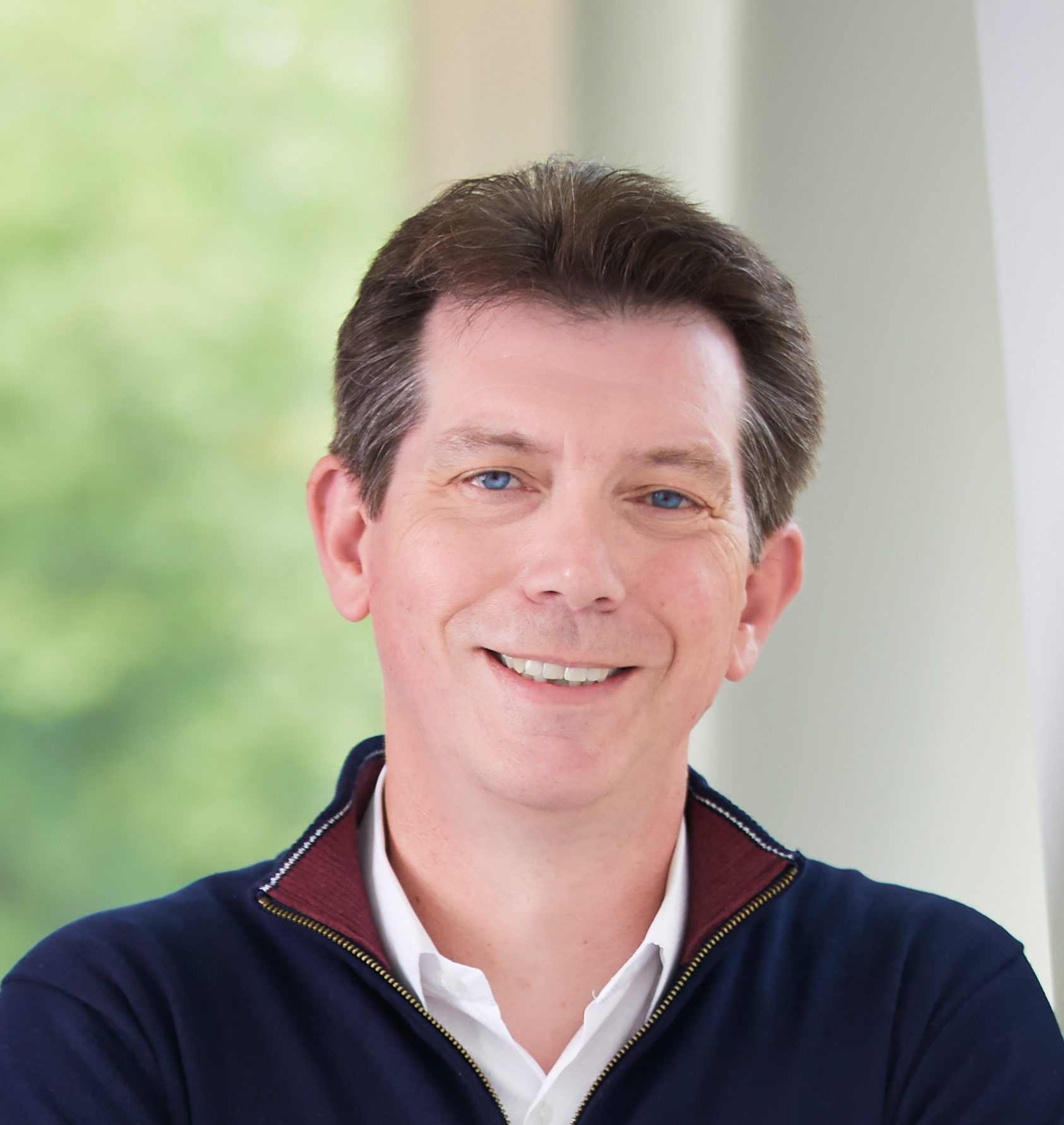
Dr Miles Congreve
Isomorphic Laboratories
Talk title:
Artificial intelligence (AI) in determining protein structure and drug targets
Biography: Dr. Congreve is the CSO at Isomorphic Labs, joining in May 2022. Previously, he was CSO at Sosei Heptares (2008-2022; CSO 2019) and previously held senior leadership positions at Astex Therapeutics (2001-2008) and GSK (1993-2001). Dr. Congreve is an author of over 200 drug design publications. He has contributed to the discovery of 29 clinical agents, including 3 marketed drugs. He is a co-inventor of Ribociclib (Kisqali®), a first-line treatment for metastatic breast cancer. He was recipient of the RSC Malcolm Campbell Memorial Prize (2015) and is an editorial advisory board member for the Journal of Medicinal Chemistry. In August 2025 Dr. Congreve was recognised in the TIME 100 AI list as one of the world’s most influential people in AI.
Professor Nick Lench PhD, FRCPath
Executive Director, MRC Nucleic Acid Therapy Accelerator (NATA)
Talk title: Targeted, precision oligonucleotide therapies for rare diseases
Biography: Nick is Executive Director of the MRC Nucleic Acid Therapy Accelerator based at Harwell Research and Innovation Campus, Oxfordshire, UK. Nick has extensive experience in rare disease genetics and genomic medicine and has worked in academia, industry and the NHS. Nick was a co-founder of Congenica, a leading international digital health company providing clinical decision support software for rare disease diagnosis and precision medicine. Prior to founding Congenica, Nick was Director of Genetics Services at Great Ormond Street Hospital for Children, London and is an Honoray Professor in Genetics and Genomic Medicine at the Great Ormond Street Institute of Child Health, UCL.
Abstract: Rare genetic diseases collectively affect approximately 7% of the population; however, effective therapies are only available for <5% of all rare diseases. Advances in genomic medicine and nucleic acid technologies have paved the way for targeted, precision therapies that address the root causes of many of these conditions. Oligonucleotide-based therapeutics—particularly antisense oligonucleotides (ASOs) and small interfering RNAs (siRNAs)—offer a transformative approach by modulating gene expression, correcting splicing defects, or silencing pathogenic mutations at the RNA level.
The presentation will explore the current landscape and future potential of oligonucleotide therapies for rare diseases, highlighting recent clinical successes such as treatments for spinal muscular atrophy and hereditary transthyretin amyloidosis. It will also discuss the scientific, translational and regulatory challenges in developing personalized therapies for ultra-rare conditions, including N-of-1 studies.
I will highlight the work of the MRC Nucleic Acid Therapy Accelerator with specific case studies from oligonucleotide design and target validation to preclinical testing and safety profiling. Emphasis will be placed on interdisciplinary strategies to reduce toxicity and off-target effects and improve tissue-and cell-specific delivery for these exciting new treatments.
Professor Melissa Little
Murdoch Children's Research Institute
Talk title:
The potential of organoids in regenerative therapy
Biography: Professor Melissa Little, AC, FRS, BSc (Hons I), PhD, GAICD, FAAHMS, FAAS, the is CEO of the Novo Nordisk Foundation Center for Stem Cell Medicine (reNEW), Chief Scientist at the Murdoch Children’s Research Institute, and Group Leader of the Kidney Regeneration Laboratory, Melbourne. Melissa is the Past President of the International Society for Stem Cell Research, an elected Fellow of the Royal Society, a member of the European Molecular Biology Organization (EMBO) and holds an honorary position as Professor in the Department of Pediatrics, University of Melbourne.
Internationally recognised for her work on kidney development and her pioneering studies into potential regenerative therapies in the kidney, Professor Little’s approach to generating kidney organoids from human pluripotent stem cells has been adopted across the globe where it is being applied to disease modelling, drug screening and renal replacement therapies. Founded on >30 years of fundamental developmental biology, her stem cell research illustrates the capacity for understanding to be applied to product development. Professor Little’s work has been recognised by many awards, including the GlaxoSmithKline Award for Research Excellence (2005); an Eisenhower Fellowship (2006); a Boorhaave Professorship (2015); an Honorary Doctorate (2019), Leiden University; the Eureka Prize (2016); the Alfred Newton Richards Award from the International Society for Nephrology (2018) for her kidney organoid research; the Julian Wells Medal (2020) for her outstanding contribution to understanding of genetic basis of kidney development; the Homer W. Smith Award (2021) for outstanding contributions that fundamentally affect the science of nephrology; and, the NHMRC Marshall and Warren Ideas Grant Award (2021) for being the top ranked recipient in the Ideas Grant Scheme for 2021.
Melissa is a Companion of the Order of Australia, Fellow of the Royal Society, Fellow of the Australian Academy of Science and the Australian Academy of Health and Medical Sciences, Fellow of the Danish Royal Academy of Science and Letters. She is on the editorial board of the Cell Stem Cell, Nature Reviews Nephrology, Development and Kidney International. Melissa has previously held the role of President of the Australasian Society for Stem Cell Research, Program Leader of Stem Cells Australia, and the Chief Scientific Officer of the Australian Stem Cell Centre.
Professor Alessio Ciulli
University of Dundee
Talk title: Protein degraders as pharmacological tools and drugs
Biography: Alessio Ciulli is renowned for his pioneering work in targeted protein degradation (TPD), a cutting-edge approach in drug discovery that harnesses the cell's natural disposal machinery to eliminate disease-causing proteins. This new
modality witnesses over 50 drugs currently in clinical trials. His research has significantly advanced our understanding of how to develop more effective therapies through the design of molecules known as PROTACs (Proteolysis Targeting Chimeras) and
molecular glues. He has authored high-impact publications, co-founded biotech ventures, partnered with the pharmaceutical industry, and has attracted international recognition through prestigious awards—including his recent election as a Fellow of the
Royal Society. His leadership at Dundee’s Centre for Targeted Protein Degradation underscores his influential role in translating basic science into innovative therapeutic solutions.
Abstract: Our laboratory at the Centre for Targeted Protein Degradation (CeTPD) reveals molecular information on protein interactions and ubiquitination complexes and mechanisms to design novel therapeutic concepts. Protein degraders, also known
as PROTACs (PROteolysis-TArgeting Chimeras) and molecular glues, recruit a target protein to a ubiquitin E3 ligase for targeted protein degradation. Formation of a stable ternary complex between the degrader, the E3 ligase and the target is a critical
step that leads to productive tagging of the target protein by ubiquitination, and subsequent proteasomal degradation. Our research has illuminated fundamental structural and biophysical insights into molecular recognition and mechanism of action of
protein degraders, that have guided the design and optimization of novel small molecules for hard-to-target proteins. I will be reflecting on the evolution of the TPD field, from early design principles to today’s landscape of PROTACs and molecular
glues. Latest advances from the Lab in mechanistic understanding and chemical structural biology of degraders ternary complexes will be showcased. I will also highlight collaborative academic-industry consortia tackling grand challenges with undruggable
targets in pediatric cancers and neurodegenerative diseases, charting the next-generation of proximity-based therapeutics.
Dr Emma Magavern
Queen Mary University of London

Biography:
Dr Emma Magavern is a Clinical Lecturer in Clinical Pharmacology and an MRC Clinician Scientist. She completed her PhD in pharmacogenomics at the William Harvey Research Institute, Queen Mary University of London, working with Professor Sir Mark Caulfield
and Professor Damian Smedley. She completed a BA in English prior to her MD and subsequent MScs in Bioethics and Genomics. Through training in clinical medicine, humanities, genetics, and pharmacology she has developed an interest in the scientific
merits, clinical potential and implementation challenges of pharmacogenomics. Her main focus is on leveraging genomic medicine to reduce existing health inequalities.
Abstract: Pharmacogenomics (PGx) explores how genetic variation can cause variability in medication response. Though we know that there is interindividual variability in response to medications, our current approach to evidence generation underpinning
the licensure and use of medication relies on population level research data. This means that evidence is often extrapolated from more homogenous populations to real world clinical practice where patients may come from under represented ancestry groups.
Yet population level genetic data shows that genetic variants known to impact on risk of inefficacy or adverse drug events in response to medications may be much more common in some ancestry groups than others. Furthermore, epidemiologic data reveals
that prevalence of disease indications for known PGx medications may also vary widely between populations of different ancestry. Therefore under-represented groups may in some cases have heightened genetic risk of not benefiting from or having a bad
reaction to a medication and may also be more likely to require that medication as compared with populations from which safety and efficacy data is generated. The potential benefits and costs pf PGx across diverse ancestry groups may thus not be well
represented by homogenous ancestry data cohorts or clinical trial groups. PGx provides an opportunity to wield genetic tools to target existing health inequities and more effectively stratify medical therapy but requires sustained and meaningful engagement
with under-represented patients and participants.
Dr Arnaud Bastien
Bristol Myers Squibb

Talk title: TBC
Biography:
Arnaud Bastien, MD is Vice President and Global Program Lead, Early and Late Development, Cardiovascular and Neuroscience at Bristol Myers Squibb.
Dr. Bastien is the Leader of the Myosin Inhibition Programs at BMS and responsible for leading the Global Program Teams, for orchestrating the design and execution of global integrated program strategy from candidate nomination through drug development to successful launch and commercialization.
He is a board-certified internist with more than 15 years of industry experience. He has held key leadership positions in clinical drug development positions in both large pharmaceutical and biotech companies. He served as Vice President and Head of Clinical Development at Roivant Sciences and Acting CMO of Lysovant Sciences, where he oversaw end to end development and in-licensing of research compounds in multiple therapeutic areas including, cardiovascular, pulmonology, hematology, and gene therapy. Prior to this, Arnaud was Head of Clinical Research at Akros Pharma, where he oversaw early clinical development activities across several therapeutic areas including immunology, cardiovascular, metabolic and hematology and renal diseases first-in-human through Phase 2b. He also oversaw all clinical aspects for outlicensing.
He is a member of the Board of Directors at the Coriell Institute for Medical Research. Prior to industry, he had a long-term university practice for high-risk cardiometabolic patients and conducted research on HIV, TB and high-risk cardiometabolic disease. He is the recipient of NIH-NHLBI RO1 grants for ALLHAT and ACCORD, and he was previously an Associate Professor of Medicine at UMDNJ-Robert Wood Johnson School of Medicine-Camden. Dr. Bastien received his undergraduate degree from Columbia University, his medical degree at the Universidad Mundial Dominicana, Dominican Republic. He completed his residency in Internal Medicine at UMDNJ, Cooper University Hospital, trained as a research fellow in HIV at SUNY Downstate, where he was also a member of the Downstate Medical School Faculty in Preventive Medicine. Arnaud attended the Rutgers University School of Business and Management for executive education in Biopharma Innovation, as well as the McKinsey Executive Leadership Development training program.
Professor Sir Mark Caulfield
Queen Mary University of London

Talk title: TBC
Biography:
Professor Sir Mark Caulfield is Professor of Clinical Pharmacology at Queen Mary University of London and the CEO of Barts Life Sciences, a research and innovation partnership between Queen Mary University of London and Barts Health NHS Trust. From January 2022 he is Vice Principal for Health for Queen Mary’s Faculty of Medicine and Dentistry.
Professor Caulfield graduated in Medicine in 1984 from the London Hospital Medical College and trained in Clinical Pharmacology at St Bartholomew’s Hospital where he developed a research programme in molecular genetics of hypertension and translational clinical research.
At Queen Mary University of London Professor Caulfield has made substantial contributions to the discovery of genes related to blood pressure, cardiovascular health, cancer and rare diseases. His research has changed national and international guidance for high blood pressure. He was Director of Queen Mary’s William Harvey Research Institute between 2002-2020 and was elected to the Academy of Medical Sciences in 2008.
Professor Caulfield was appointed Chief Scientist for Genomics England in 2013, charged with delivery of the 100,000 Genomes Project on whole genome sequencing in rare disease, cancer and infection. At Genomics England, he was instrumental in delivering the 100,000 Genomes Project which has delivered life-changing results for many patients. He has also worked with NHS England to co-create the National Genomic Test Directory, which offers equitable access for 56 million people to appropriate genomic tests. Professor Caulfield was awarded a knighthood in 2019 for his leadership of the 100,000 Genomes Project.
In July 2021, Professor Caulfield stepped down from his role as Chief Scientist for Genomics England and is taking a major leadership in Barts Life Sciences a partnership between Queen Mary University of London and Barts Health NHS Trust. This is driving the development of a world-leading life sciences campus at Whitechapel focusing on digital precision healthcare. He is a member of the Barts Health NHS trust Board and is the President Elect of the British Pharmacological Society. Sir Mark is Vice Principal (Health) for Queen Mary University of London.
Thomas Kruse
Novo Nordisk
Talk title:
How semaglutide has pioneered work on metabolic peptide hormones
Biography: Thomas Kruse holds a master's degree in biology and chemistry and a PhD in organic synthesis from the University of Southern Denmark. Since 1993, he has been a medicinal chemist at Novo Nordisk, where he transitioned from focusing on
small molecules to peptides in 2002, remaining active in the lab to this day. He has played a pivotal role as a chemistry lead, project manager and inventor in numerous projects including expanding fatty acid acylation technology to hormones beyond
GLP-1. His contributions encompass the development of once-weekly subcutaneous semaglutide, as well as pulmonary and oral forms of GLP-1. In 2005 Thomas initiated the first ever Novo Nordisk amylin activities including the development of cagrilintide,
other long-acting amylin analogues and amycretin. Other activities include long-acting glucagon, GLP-1/glucagon co-agonists and several undisclosed projects involving diabetes and obesity indications. Additionally, Thomas has made significant advancements
in glucose-sensitive insulin.
In recognition of his career, Thomas was honored with the Novo Nordisk Life-Time Achievement Award in 2023 and IPOEF inventor of the year award in 2024. Currently serving as a Senior Principal Scientist, Thomas is actively engaged in innovation, design,
and leadership of peptide-based programs within diabetes and obesity.
Abstract: Attachment of fatty acids to relevant peptide backbones may lead to longer circulating half-life of therapeutic peptides with the aim of providing practical solutions for treatment of diabetes and obesity. The discovery of semaglutide
in 2004 was a significant step forward and allowed once weekly dosing of GLP-1 agonists and improved efficacy. This method has been expanded in more recent years to other metabolic hormones via many projects at Novo Nordisk and among competitors.
Each new hormone requires hormone specific iterative finetuning in order to become useful as a drug. This presentation intends to draw the lines from 2004 and onward regarding expansion of the fatty acid derivatization technology. The challenges
are highlighted and presented as explorative scientific frontiers that can be pushed into better efficacy, improved tolerability, better effect on co-morbidities and more convenient treatments – all driven by improved understanding of the underlying
physiology and pharmacology.
Jesper Lau
Novo Nordisk
Talk title: Designing the once weekly and oral GLP-1, semaglutide
Biography: Jesper Lau (JL) started with Novo Nordisk as bench chemists working with small molecules but was quickly promoted to project manager for a specific project aiming to discover small molecule GLP-1 agonists as well as glugacon receptor antagonists.
From 2003 JL was leading a new organization composed of organic chemists with experience from tradition medicinal chemistry that were transitioning into the untouched field of peptide and protein engineering aiming to build new capabilities on how to
turn unstable peptides and proteins into effective and safe pharmaceuticals. The team developed expertise in engineering endogenous peptides and proteins into effective clinical candidates with enhanced stability, potency, in vivo efficacy, and extended
plasma half-lives. JL spearheaded discussions on advancing and applying this technology to various peptides and proteins that has made it all the way to patients living with serious chronic diseases.
Abstract: The increased non-clinical and clinical understanding of the mechanism of action of GLP-1 and the parallel technical development on extending duration of action of endogenous peptides as well as structural insight of the interaction of
peptides and small molecules with GPCR class B receptors have brought the scientific community to a very high level of understanding and numerous engineering efforts have been applied to prepare GLP-1 analogues of which several have by now successfully
reached the market, and the GLP-1 class of peptides is today used as an important and significant treatment of type 2 diabetes and obesity. The discovery of once weekly and oral semaglutide is a fantastic example of how technology and biological understanding
have developed in parallel, giving access to a superior peptide for treatment of metabolic disorders.
Professor Lotte Bjerre Knudse
Aarhus University

Talk title: Mechanism of Action for Semaglutide across Disease Outcomes
Biography: Lotte Bjerre Knudsen is an Honorary Professor in Translational Medicine at Aarhus University, Denmark. She holds a degree in biotechnology from the Technical University and a Doctoral Degree in Scientific Medicine from the University of Copenhagen,
in Denmark. Lotte is a former employee of Novo Nordisk (1989-2026); she was last the Chief Scientific Advisor for Research & Development at Novo Nordisk. She has deep experience in drug discovery and development. Her work has evolved much around GLP-1
based medicines and she has been involved from early ideation back in the 1990s where she led the first program on a long-acting GLP-1 medicine, to recent work detailing mechanisms for these medicines in rodents and people with disease. She has been part
of representing Novo Nordisk in five FDA Advisory committees. Lotte has received numerous awards for the work on GLP-1 medicines. Most recently, she was the recipient of the 2023 Paul Langerhans Award from the German Diabetes Association, the 2024 Science
and American Association for Advancement of Science Mani L. Bhaumik Breakthrough of the Year Award (with Richard DiMarchi), the 2024 Lasker-DeBakey Clinical Medical Research Award (with Joel Habener and Svetlana Mojsov), and the 2025 Breakthrough Prize
in Life Sciences (with Daniel Drucker, Joel Habener, Jens Juul Holst, and Svetlana Mojsov). She has received Lifetime Achievement Awards from Novo Nordisk, the Danish Biotech Association and Stanford University. She has published extensively throughout
her career, with many papers around mechanisms for GLP-1 based medicines in diabetes, obesity, and cardiovascular, kidney and liver disease. Her interest also includes important methodology in drug target expression, drug discovery in general and use
of AI in drug discovery.
Abstract: Glucagon-Like Peptide-1 receptor agonists (GLP-1RAs), such as liraglutide and semaglutide, are long-acting pharmacological agents approved for diabetes and obesity management, with additional benefits on cardiovascular, renal, and hepatic
systems, and emerging potential in brain-related disorders with significant unmet needs. These fatty acid-acylated molecules bind non-covalently to serum albumin, enhancing pharmacokinetic stability, and signal through a specific GLP-1 receptor expressed
on select cell types across various organs. GLP-1RAs target the multifaceted physiological roles of GLP-1, a key regulator of post-prandial responses, including glucose homeostasis, appetite regulation, and many other biological processes relevant within
post-meal physiology.
Semaglutide has defined the weight loss efficacy in the GLP-1RA class of medicines and is the GLP-1RA with the most substantial evidence across diseases. Semaglutide provides effective weight loss through a mechanism primarily driven by brain GLP-1R activation,
reducing hunger, increasing satiety, and altering reward signaling to influence food choice and dampen food noise. Semaglutide has cardiovascular benefits mediated through a wide-ranging mechanism with reduced systemic inflammation alongside specific